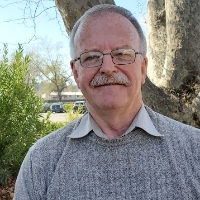
Alejandro Holguin
LCSW
Practical, collaborative help for life changes
- Stress, Anxiety
- Relationship
- Anger
Clinical social work directory
42 therapists in this directory hold a licence issued in California and name systemic therapy among their approaches. Sessions are online; a US therapist can usually only see people in a state where they hold a licence, so check the credentials panel on each profile.
Welcome to our directory of online therapists serving California. All therapists listed here are licensed; explore profiles by focus, approach, credentials, language, and experience to find a match.
LCSW
Practical, collaborative help for life changes
LCSW
Practical therapy for stress and life changes
LMFT
Practical, relationship-focused therapy for real life
LMFT
Experienced therapist focused on relationships and life change
LMFT
Californian bilingual marriage and family therapist
LCSW
Relationship-focused social worker guiding healing and change
LCSW
Grounded support for life transitions
LCSW
Calm practical guidance for life and relationships
LCSW
Systemic-minded LCSW focused on practical change
LMFT
Seasoned therapist focused on relationships and healing
LCSW
Practical, client-centered therapy with a systemic view
LMFT
Practical, relationship-aware therapy for real life
LMFT
Practical, strengths-focused therapy for everyday struggles
LMFT
Relationship-focused therapist who centers strengths
LCSW
Compassionate, practical therapy for life's transitions
LCSW
Systemic-informed therapist focused on practical change
LMFT
Practical support for addiction and relationship challenges
LCSW
Practical, compassionate support for life’s hard moments
LCSW
Practical, affirming therapy for intimacy and stress
LMFT
Experienced therapist helping with relationship and life challenges
LMFT
Trusted therapist with systemic perspective
LMFT
Therapist focused on relationships and coping
LMFT
Practical, systems-informed therapy for stress and families
LMFT
Experienced relational therapist focused on transitions
LMFT, LCSW
Experienced relational therapist focused on attachment and trauma
LMFT
Compassionate therapist helping people rebuild balance
LCSW
Experienced LCSW focused on real-life change
LCSW
Practical, relational therapy for stress and trauma
LMFT
Calm, practical therapy focused on relationships
LMFT
Focused, practical therapy for real-life change
LMFT
Attachment-focused family and trauma therapist
LMFT
Compassionate, systemic therapy for everyday struggles
LMFT
Relationship-focused therapist for stress and parenting
LCSW
Therapist focused on practical coping strategies
LMFT
Compassionate, practical therapy for everyday struggles
LMFT
Relationally focused therapist with practical tools
LMFT
Practical therapy for stress, relationships, and trauma
LMFT
Experienced California LMFT focused on practical change
LMFT
Compassionate, practical therapy focused on relationships
Some links on this page are partner links. We will earn a commission if you sign up through one, at no cost to you. It does not change what you pay or the order of the listings.
Online therapy has grown into a widely used option for people across California who want counseling without commuting to an office. In California, clinicians who are licensed in the state may offer therapy via video, phone, or messaging within the scope of their license. Licensing boards set rules about who may practice in California, what types of consent and documentation are required, and how telehealth is delivered. That means if you live in California, you will generally be working with therapists who are authorized to provide care under California law, and their profiles will usually list relevant credentials and the approaches they use. The technology used for sessions can vary, and many clinicians will describe how they conduct online work so you can understand the session format. For people in rural areas or those with mobility or scheduling constraints, online options can increase access to a wider range of clinicians and specialties than might be available nearby.
When you look at listings, expect to find clinicians who specialize in different populations and concerns, who practice from different theoretical perspectives, and who speak various languages. Profiles often note specialties such as work with couples, families, adolescents, or adults, and may list approaches that the clinician uses. Remember that a profile lists the clinician’s self-described approaches and areas of focus; it does not substitute for a conversation about experience and fit. You can use profile details to narrow your search to therapists who seem likely to match your needs and communication style.
Online therapy offers practical benefits that many people in California find helpful. You can save commuting time and avoid traffic, which is particularly relevant in densely populated regions. You can also access clinicians located outside your immediate area, opening up options for different specialties or language matches that you might not find locally. For people who move frequently within the state or who split time between regions, online sessions make it easier to maintain continuity with the same clinician without repeating intake steps.
Beyond logistics, online therapy can fit into busy lifestyles more smoothly because sessions can be attended from home, work, or another convenient location. This flexibility can make it easier to establish a consistent therapy routine, which supports progress. You can also find clinicians who list experience working with specific life stages or cultural backgrounds, which may be important if you want someone who understands particular family dynamics, immigrant experiences, or community contexts. While online work suits many people, you should consider your personal needs and whether remote sessions will support the kind of connection and intervention you seek. Some people prefer in-person work for certain issues, while others find online sessions to be equally effective for reflection, skills practice, and emotional support.
Therapists offering online services in California work with a wide range of concerns. Many clinicians list experience helping people with mood and anxiety challenges, relationship issues, life transitions, grief, stress management, and parenting or family dynamics. You will also find clinicians who list approaches oriented toward trauma processing, coping with chronic health conditions, substance use recovery, or identity and cultural concerns. Profiles typically indicate whether a clinician focuses on adults, adolescents, children, couples, or families, which helps you find someone whose practice aligns with your situation.
Because clinicians often note the approaches they use, you may see therapists who list cognitive-behavioral methods, narrative approaches, psychodynamic perspectives, or other modalities among their approaches. If you have a specific preference, look for that phrasing on profiles - for example, therapists who list EMDR among their approaches or therapists who list family systems work among their approaches. Those descriptors help you identify potential fits, but the most useful information comes from asking clinicians how they apply those approaches to your particular goals. Online work can support short-term, goal-focused work as well as longer-term exploratory therapy, depending on what you and a clinician decide together.
Verifying that a clinician is licensed and in good standing is a practical step that can increase your confidence in the services you are considering. In California, different professions are regulated by different bodies, so the place you look depends on the clinician’s credential. For licensed clinical social workers, marriage and family therapists, and professional clinical counselors, the California Board of Behavioral Sciences maintains an online license lookup where you can enter a clinician’s name or license number to confirm active status and view any public disciplinary actions. Psychologists are regulated by the California Board of Psychology, and psychiatrists are licensed through the Medical Board of California. Those boards provide searchable directories and details about license status, expiration dates, and any public actions.
When you view a license record, look for the license type, the status (such as active), and whether there are any public notices listed. A license lookup does not replace a conversation about a clinician’s background or experience, but it does provide authoritative information about whether they are authorized to practice in the state. If a clinician earned their license in another state but lists that they provide online services to Californians, it is reasonable to ask how they are authorized to practice in California, and to confirm that authorization through the relevant board. You can also ask a clinician directly for their license number if it is not listed on their profile, and then verify that number with the appropriate state board before beginning work.
Starting with online therapy often begins with a short review of profiles to identify clinicians whose focus areas and approaches match your needs. Once you find a few promising profiles, reach out through the contact method provided on their listing to ask brief questions about their approach, session format, and fees. You may want to ask how they conduct online sessions, what technology they use, how they handle records and documentation, and what you can expect from an initial session. It is also sensible to confirm the clinician’s license number and the board that issued it so you can verify their status. Before your first session, plan a quiet, interruption-free environment and check that your internet connection, camera, and microphone work well. Having a plan for emergencies - such as local emergency services or a nearby contact - is also an important step when beginning remote sessions.
Choosing a therapist is a personal decision, and a few practical considerations can help you find a better fit. Pay attention to who a clinician says they work with and the concerns they list, and look for language and tone that feel respectful and aligned with your needs. Consider whether you prefer a clinician who lists certain approaches among their approaches, but be open to discussing how those approaches are applied to your situation. Think about language needs, cultural competence, and whether the clinician lists experience with communities or life stages relevant to you. Fees and whether the clinician works with insurance or offers alternative payment options are important practical details to clarify early on. Finally, notice how it feels to communicate with a clinician during your initial contacts; responsiveness, clarity, and a willingness to explain their process are good signs that you will be able to work together effectively.
Online therapy in California can expand your options and make it easier to connect with clinicians who match your needs and way of communicating. Taking a few deliberate steps - verifying licensure, reviewing practice focus and approaches, preparing for remote sessions, and asking practical questions about fees and policies - will help you start therapy with clarity and confidence. Use the directory to explore clinician profiles and gather the information you need to choose someone who feels like a good match for your goals.