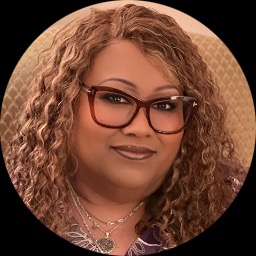
Jason Radosevich
LCSW
Understanding and practical support for life challenges
- Stress, Anxiety
- Family
- Grief
Clinical social work directory
25 therapists in this directory hold a licence issued in North Carolina and name systemic therapy among their approaches. Sessions are online; a US therapist can usually only see people in a state where they hold a licence, so check the credentials panel on each profile.
Welcome to our directory of online therapists serving North Carolina. All therapists listed here are licensed; explore profiles to find practitioners who list approaches, focus areas, credentials and languages that match your needs.
LCSW
Understanding and practical support for life challenges
LCMHC
Compassionate counselor who focuses on relationships and stress
LMFT
Compassionate therapist for stress and family concerns
LCSW
Compassionate systemic therapy for everyday struggles
LCMHC
Experienced, practical Systemic-focused counselor
LMFT
Compassionate therapist for everyday life challenges
LCSW
Calm, practical guidance for stressful times
LMFT
Practical support for stress and relationships
LCSW
Calm, practical support for life’s hard moments
LCMHC
Compassionate counselor focused on practical change
LCSW
Compassionate, practical support for life's hard moments
LMFT
Experienced relational therapist focused on practical change
LCMHC
Practical skills for calmer, healthier daily life
LMFT
Relationship-focused licensed marriage and family therapist
LCSW
Compassionate social worker focused on practical skills
LISW-CP, LCSW
Grounded care focused on practical change
LCMHC, LMFT
Compassionate therapist focused on practical change
LCMHC
Experienced counselor focusing on relationships and trauma
LPC, LCMHC
Focused practical therapy for everyday overwhelm
LMFT
Relationship-focused therapist for life transitions
LMFT
Compassionate therapist focused on real-life change
Some links on this page are partner links. We will earn a commission if you sign up through one, at no cost to you. It does not change what you pay or the order of the listings.
If you are looking for online therapy in North Carolina, you will find a range of clinicians offering remote services for residents across the state. Online therapy is offered by clinicians with different licenses and backgrounds, and many profiles note the specific populations and approaches they focus on. State licensing rules influence who may provide therapy to North Carolina residents, so you will commonly encounter clinicians who indicate they are licensed to practice in North Carolina or who explicitly state that they work with clients in the state. Platforms and individual practices vary in how they display clinician information, but a clear profile will list credentials, areas of focus, therapeutic approaches and languages spoken.
Online therapy can be delivered in a variety of formats, including video sessions, phone sessions and messaging-based care, and clinicians may describe the ways they prefer to work. When you read profiles, look for descriptions that align with what you want - whether that is an emphasis on relationship work, trauma-informed approaches, support for life transitions, or culturally responsive care. Because the regulatory environment can change, it is helpful to confirm licensure and other credentials before beginning work with a clinician.
Online therapy offers practical benefits that many people find helpful. If you live in a rural or geographically remote area of North Carolina, remote sessions can reduce travel time and expand the pool of clinicians you can consider. For people balancing work, family and other responsibilities, the flexibility of online appointments can make it easier to maintain regular sessions. You may also find clinicians who offer specialized approaches or speak languages that are less common locally, increasing the likelihood of finding a strong clinical match.
Beyond convenience, online therapy can support continuity when your routine changes - for example, if you move between cities in the state or have variable work hours. The technology used for sessions often includes features such as supported appointment scheduling and video meeting links; when you choose a clinician, you can ask about their technology and privacy practices to understand how sessions are handled. Many people also find that the online format allows them to access clinicians whose way of working resonates with them - whether they emphasize practical coping skills, relational patterns, or meaning-making approaches - and you can look for clinicians who list those approaches on their profiles.
Online therapists in North Carolina work with a broad range of concerns, from everyday stress to longstanding relational patterns. You can expect to find clinicians who list approaches geared toward anxiety, depression, grief, life transitions, relationship challenges and parenting concerns. Some clinicians highlight work with trauma, and their profiles may note that they use specific approaches; language such as therapists who list EMDR among their approaches or therapists who list somatic-informed methods among their approaches is common when clinicians describe how they work. Because profiles vary, it is useful to read descriptions carefully to see what kinds of situations clinicians emphasize.
People also seek online therapy for workplace stress, identity-related concerns, and support during major life changes like separation, career transition or caregiving responsibilities. Couples-oriented clinicians may describe systems-based methods or relational frameworks, while clinicians who work with families often describe developmental lenses and practical parenting support. If you have a particular concern - such as chronic health coping or mood regulation - prioritize clinicians whose profiles discuss that focus and who describe the kinds of strategies they bring to their work.
Confirming a therapist's licensure is an important step when you are considering online care. North Carolina maintains licensing boards for different clinician types, and you can use state license lookup tools to check a clinician's status. When you search, look for the clinician's full name and license number if it is provided on their profile. License lookup tools typically report whether a license is active, its expiration date and whether there are any public disciplinary actions. If a profile does not include a license number, you can often request it directly from the clinician to complete your verification.
In addition to checking licensure, review the credentials and educational background listed in the profile. You may also want to confirm the clinician's scope of practice and any professional affiliations they list. If you have questions about what a licensure record shows, the licensing board’s website usually includes explanatory information and contact details so you can verify details directly. Taking these steps helps you understand that the clinician is authorized to provide services to residents in North Carolina and gives you a clearer picture of their professional standing.
Starting with online therapy begins with a few straightforward steps. Begin by reviewing profiles to identify clinicians whose focus areas, approaches and languages align with your needs. Pay attention to descriptions of how the clinician conducts sessions - whether they emphasize practical skills, relational exploration or trauma-informed care - and look for statements that feel relevant to your goals. When you contact a clinician for an initial conversation, have a brief list of questions ready about session length, format, fees and the technology they use. You can also ask about their experience working with people who share similar concerns or backgrounds to yours.
When you talk with a clinician, consider asking how they typically structure early sessions and what a typical course of work might look like for your situation. Ask about their approach to goal-setting and how they measure progress. If language access matters to you, confirm what languages they speak. You should also ask about payment options and whether they provide documentation you may need for insurance or out-of-network reimbursement. Before your first session, set up a quiet area in your home where you can speak without interruption; choosing a quiet space for sessions helps you focus and get the most from your time.
As you start online sessions, give yourself time to assess fit. It can take a few sessions to determine whether a clinician’s approach and interpersonal style meet your needs. Think about whether you feel heard and whether the strategies offered feel practical and relevant to your life. If something does not feel right, it is okay to continue looking for a clinician whose style and background are a better match. Trusting your judgment about comfort and cultural fit is an important part of finding effective support.
Online therapy in North Carolina offers a flexible route to professional support that can be tailored to your schedule, location and personal preferences. By reviewing clinician profiles carefully, verifying licensure, and asking targeted questions about approach and logistics, you can make an informed choice about who to work with. Take your time to read descriptions, note the ways clinicians communicate about their work, and prioritize the practical and interpersonal qualities that matter most to you. With that approach, you can find a therapist whose profile and practice align with your goals for therapy.
If you are ready to begin, explore the profiles on this page to learn more about clinicians who list a range of approaches, specialties and languages, and reach out to those whose descriptions resonate with your needs.