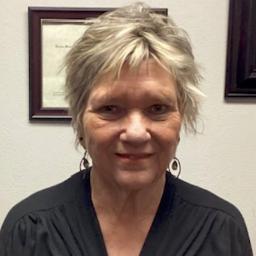
Dr. Sydney Crane
LMFT
Therapy focused on relationships and life changes
- Stress, Anxiety
- LGBT
- Relationship
Clinical social work directory
50 therapists in this directory hold a licence issued in Texas and name systemic therapy among their approaches. Sessions are online; a US therapist can usually only see people in a state where they hold a licence, so check the credentials panel on each profile.
Welcome to our listing of online therapists who serve people across Texas. All therapists shown here are licensed in Texas; explore profiles to learn about credentials, approaches, languages, and areas of focus.
LMFT
Therapy focused on relationships and life changes
LMFT
Systemic-focused therapist for life transitions
LMFT, LPC
Straightforward support for anxiety and life change
LPC
Collaborative, practical therapy for everyday challenges
LCSW
Collaborative therapist focusing on relationships and coping
LPC
Practical, relationship-aware therapy for life transitions
LCSW
Calm, practical care for life’s hard moments
LPC
Practical counseling that builds on your strengths
LCSW
Compassionate therapist for stress and relationships
LPC
Systemic-minded LPC helping people find practical change
LMFT, LPC
Experienced systemic therapist offering practical steps
LPC
Practical, systemic support for life transitions
LPC
Practical, empathetic therapy for anxious minds
LPC, LMFT
Supportive therapist helping you navigate life changes
LPC
Compassionate, practical therapy for anxious and stressed people
LPC
Systemic-focused counselor for practical change
LCSW
Practical support for stress and life changes
LCSW
Compassionate, practical therapy for life transitions
LCSW
Practical support for relationship and life changes
LMFT
Experienced therapist focused on practical change
LPC
Helping people untangle stress and relationship strain
LPC
Systemic and practical counseling for life transitions
LPC
Support for stress anxiety and relationships
LPC
Practical, collaborative care for everyday struggles
LPC
Practical, relationship-focused support for lasting change
LPC
Compassionate practical guidance for life changes
LCSW
Compassionate, experienced Texas LCSW
LMHC, LPC
Therapist who blends systems and practical tools
LCSW
Practical support for stress and relationship strain
LPC
Helping people rebuild connection and cope with life changes
LPA-IP
Practical plans for clearer daily functioning
LPCC, LPC
Compassionate, practical counseling for life transitions
LMFT
Compassionate, practical therapy for life changes
LCSW
Practical, person-focused therapy in Texas
LCSW
Compassionate relational therapy for real life challenges
LMFT
Experienced therapist focused on relationships and healing
LMFT
Compassionate therapist for life’s hard moments
LPC
Compassionate systemic therapy for life and relationships
LPC
Practical, relationship-aware therapy for everyday struggles
LMFT
Practical support for family and trauma challenges
LPC
Compassionate counselor focused on practical change
LCSW
Healing through systemic insight and practical tools
Some links on this page are partner links. We will earn a commission if you sign up through one, at no cost to you. It does not change what you pay or the order of the listings.
In recent years online therapy has become a common option for many people in Texas who want counseling without traveling to an office. You will find clinicians offering video sessions, phone sessions, and text-based support across urban centers, suburban communities, and rural areas of the state. Therapists who list telehealth among their approaches describe a range of ways to work with clients remotely, and you can often find clinicians who match the style and specialty you prefer without geographic limits within Texas.
Because licensing is state-based, therapists listed here are licensed to practice in Texas and describe the methods they use. Online therapy in Texas is provided under the same professional standards that apply to in-person care, and many people choose virtual sessions for convenience, continuity of care, or to access therapists who have experience with particular cultural, language, or affinity group needs. As you explore options, you will notice differences in clinical focus, therapeutic approaches, and professional background across listings. Those differences can help you narrow choices to clinicians whose profiles align with what you want from a working relationship.
Online therapy can remove common barriers that make it harder to get consistent mental health support. If you live in a part of Texas where travel times to a clinician are long, virtual sessions let you make progress without spending extra hours commuting. You may find it easier to attend regularly when appointments fit around work, school, or family responsibilities. For people with mobility challenges or caregiving duties, remote sessions provide an accessible route to ongoing support.
Beyond convenience, online therapy can broaden the pool of clinicians you can consider. You may want a clinician who shares your language, cultural background, or experience with a particular issue. When therapists list language options or focus areas in their profiles, you can look for a closer match even if that clinician is not located in your immediate neighborhood. Many people also report that starting with online sessions can make it easier to take the first step toward care because it reduces the logistical effort involved in an initial appointment.
Therapists offering online services in Texas work with a wide range of concerns. You will find clinicians who list experience with mood concerns such as anxiety and depression, relationship and family issues, life transitions, grief, workplace stress, and parenting challenges. Many therapists also list specialties related to trauma, substance use, coping with chronic illness, and adolescent or young adult concerns. When a profile lists a specific approach - for example cognitive behavioral approaches, family systems, or therapists who list EMDR among their approaches - that note indicates a style the clinician may use when relevant to a client's needs.
Online therapy can be suited to short-term goals like skills training and problem solving, as well as longer-term work focused on patterns, relationships, or personality-related concerns. If you have a complex situation that intersects with legal, medical, or safety considerations, an online therapist can often help you identify appropriate local resources and support coordination of care. Profiles often highlight areas of emphasis and the types of clients a therapist typically works with, which can help you find someone whose experience aligns with the issues you want to address.
Verifying a therapist's license is a practical step that helps you confirm credentials and any public licensure actions. The State of Texas maintains online verification tools for the different boards that oversee professional licenses - for example boards for professional counselors, social workers, marriage and family therapists, and psychologists. You can search by clinician name or license number to view the current license status, the type of credential held, expiration dates, and any disciplinary history that is part of the public record.
When you review a license record, note the classification of the license - such as licensed professional counselor, licensed clinical social worker, licensed marriage and family therapist, or psychologist - because each designation reflects a different scope of practice. Check the license status to confirm it is active, look at the expiration date, and read any public notes or disciplinary information. If you have questions about what appears in a record, the licensing board's contact information is usually listed on the site and you can inquire directly about the meaning of specific entries.
Starting with online therapy begins with identifying a few clinicians whose profiles describe approaches and focus areas that fit your needs. Read profile summaries to see how therapists describe their work, languages spoken, and the populations they commonly support. Many profiles include information about credentials, education, and therapeutic styles. Once you have a short list, reach out using the contact method provided in the profile to introduce yourself, describe what you are seeking, and ask practical questions about session format, fees, and whether they work with clients in your age group or life stage.
As you evaluate potential therapists, pay attention to how you feel when you read their descriptions and when you communicate with them. A clear communication style, a respectful tone, and a willingness to explain how they work are helpful signs. Consider concrete match points such as whether a therapist lists experience with the issue you are facing, a language you prefer, or a cultural perspective that matters to you. Ask about fee structures, insurance or reimbursement procedures, and options for sliding scale fees if cost is a concern. If you have particular preferences - for example a focus on family systems, experience working with LGBTQ+ people, or clinicians who list mindfulness-based approaches - look for those words in profiles rather than assuming a therapist offers them.
Before your first appointment confirm the technology you will use for video or phone sessions and test that your device and internet connection support it. Choose a comfortable environment where you can speak and listen without interruptions. If you are sharing a home with others, think about ways to create a personal space for your session - for example using headphones and letting household members know you will be unavailable during that time. Discuss boundaries and communication preferences with your therapist so you both have clear expectations about scheduling, session length, and how to handle cancellations or emergencies.
Finding the right online therapist can take time, and it is reasonable to try an initial session to see how well the clinician's approach and communication style fit what you need. You do not need to make a long-term commitment at first, and therapists often outline how they measure progress and what you might expect from ongoing work. By combining information from profiles, license verification, and an initial conversation, you can make an informed choice about who to work with and begin a plan that addresses your goals within the Texas telehealth environment.