
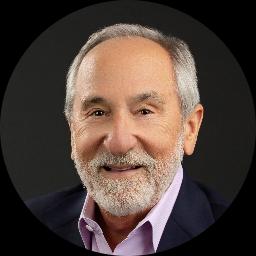
Drunay "Dru" Collins Minch, LPC
Texas · 4 years in practice
Drunay "Dru" Collins Minch uses a systemic lens to help people facing stress, anxiety, relationship strain, intimacy concerns, and major life changes.
License and registration
- LPC, Texas
- 94295 · expires January 2028
- NPI
- 1194588160 · national provider identifier
- Years in practice
- 4
- Languages
- English
Details are as listed on the therapist's public professional profile. You can check the license with the issuing state board, and the NPI with the national registry.
About Drunay
Drunay "Dru" Collins Minch uses a systemic lens to help people facing stress, anxiety, relationship strain, intimacy concerns, and major life changes. He brings a warm, collaborative manner and treats each person as the expert on their own life. Dru aims to help clients find clearer direction, build resilience, and feel more grounded as they move through difficult moments.
He listens for patterns in how people relate to others and to themselves, and helps identify small shifts that can change daily life.
Background and approach
Sessions often focus on practical skills for handling anxiety and on clearer communication when trust or intimacy feels strained. People exploring LGBTQ+ identity and belonging are a common focus area in his work. Dru draws on client-centered practices that prioritize a person’s goals and values.
He also uses Acceptance and Commitment Therapy and Cognitive Behavioral Therapy tools to offer concrete strategies for stress management and coping with change. Attachment-based ideas inform how he talks about connection and safety in relationships. With four years of clinical experience and a Licensed Professional Counselor credential, he works from Texas and communicates in English.
Therapy sessions can include conversations about abandonment, adoption and foster care experiences, blended family concerns, caregiving stress, and sexual expression topics like kink and BDSM when relevant. His style is straightforward and respectful. He helps people break problems into manageable steps and supports them as they practice new ways of relating.
Beginning therapy is presented as a collaborative process where clients set the pace and goals.
Focus areas and approaches
Everything Drunay lists on their public professional profile, in their own terms.
- Stress, Anxiety
- LGBT
- Relationship issues
- Intimacy-related issues
- Coping with life changes
- Abandonment
- Adoption and foster care
- Aging and geriatric issues
- Antisocial personality
- Attachment issues
- Avoidant personality
- BDSM, kink, and alternative sex culture
- Blended family issues
- Cancer
- Caregiver issues and stress
- Commitment issues
- Communication problems
- Control issues
- Dependent personality
- Disruptive Mood Dysregulation Disorder (DMDD)
- Divorce and separation
- Drug and alcohol addiction
- Emptiness
- Family of origin issues
- Family problems
- Fatherhood issues
- First responder issues
- Forgiveness
- Gender dysphoria
- Guilt and shame
- HIV / AIDS
- Infidelity
- Jealousy
- Life purpose
- Men's issues
- Midlife crisis
- Money and financial issues
- Mood disorders
- Multicultural concerns
- Panic disorder and panic attacks
- Personality disorders
- Polyamory / non-monogamous relationships
- Post-traumatic stress
- Prejudice and discrimination
- Process addiction (porn, exercise, gambling)
- Seasonal Affective Disorder (SAD)
- Self-love
- Sex addiction
- Sexual dysfunction
- Sexuality
- Social anxiety and phobia
- Somatization
- Workplace issues
Approaches Drunay names
- Systemic Therapy
- Acceptance and Commitment Therapy (ACT)
- Attachment-Based Therapy
- Client-Centered Therapy
- Cognitive Behavioral Therapy (CBT)
- Dialectical Behavior Therapy (DBT)
- Existential Therapy
- Imago Relationship Therapy
- Jungian Therapy
- Mindfulness Therapy
- Motivational Interviewing
- Narrative Therapy
- Psychodynamic Therapy
- Solution-Focused Therapy
- Somatic Therapy
- Trauma-Focused Therapy
Naming an approach is not evidence of training in it. This directory copies what each therapist lists and does not check training records.
Online support
Online approaches that focus on relationships and life change
Systemic work looks at how people connect and influence one another. It helps identify interaction patterns that keep problems going and suggests small changes that can shift daily life. Acceptance and Commitment Therapy (ACT) encourages noticing difficult thoughts and feelings while committing to actions that match personal values, which can help with stress and transitions.Attachment-Based Therapy pays attention to how early connections shape current relationships and feelings of safety. That approach can be useful when intimacy, trust, or attachment concerns are central to someone’s difficulties. Dru will collaborate with each person to choose which approaches fit best based on their goals and preferences rather than assuming one method suits everyone.
Online sessions are offered as video calls, phone sessions, live chat, or text-based messaging to provide flexibility. Video lets people use visual cues for deeper conversation. Phone calls can be easier when bandwidth is limited or when someone prefers not to be on camera. Live chat and text sessions work well for shorter check-ins, ongoing support, or when typing feels more comfortable. These options make it easier to fit therapy into busy schedules and different life routines.
We will earn a commission if you sign up through our link, at no cost to you. It does not change what you pay or the order of the listings.
Questions people ask
What concerns does this therapist address?
Dru works with people experiencing stress, anxiety, relationship and intimacy issues, and life changes. He also focuses on topics like abandonment, adoption and foster care, caregiving stress, and sexual expression including kink and BDSM.
How would you describe the therapy style here?
The approach is warm and collaborative, listening for relationship patterns and helping clients identify practical steps. Sessions balance talking through problems with skills for coping and communication.
What kind of background does the therapist have?
He has four years of clinical experience and emphasizes a humanistic, client-centered stance alongside evidence-informed strategies drawn from CBT and ACT.
Where is the therapist located and what credential is held?
The clinician practices from Texas and holds the LPC credential, listed as TX LPC.
Which languages are supported and are international clients accepted?
Sessions are offered in English, and international clients are accepted.
What session formats are available for online work?
Therapy can be done via video calls, phone sessions, live chat, or text-based messaging to suit different needs and schedules.
How does pricing and billing work?
Costs vary with location and therapist availability and are delivered through a subscription model that can be canceled at any time.
How do I get started with therapy?
Begin by selecting the Start Therapy button, completing a short matching questionnaire, and then schedule sessions according to therapist availability.
More therapists in Texas
See allDr. Sydney Crane
LMFT
Therapy focused on relationships and life changes
- Stress, Anxiety
- LGBT
- Relationship

Perry Martin
LMFT
Systemic-focused therapist for life transitions
- Stress, Anxiety
- Trauma and abuse
- Grief


Dr. Spyros Catechis
LMFT, LPC
Straightforward support for anxiety and life change
- Stress, Anxiety
- Relationship
- Parenting
Is this your profile?
Ask us to correct details or take the page down.
Contact us