Clinical social work directory
Therapists who work with Forgiveness
601 therapists list forgiveness among the things they work with. All offer sessions online, and every profile shows the registering body, the membership number and when it runs to.
This page lists therapists who focus on forgiveness and related healing. Each profile highlights clinical approaches, focus areas, languages, and professional credentials so visitors can explore meaningful fit factors. Browse the listings below to learn more about practitioners who list forgiveness among their specialties.

Lauryn Harris
NCPS
Compassionate counsellor focused on relationships and trauma
- Addictions
- Relationship
- Family

Dr. Daniella Jackson
LMHC
Restoring control and hope in everyday life
- Stress, Anxiety
- Addictions
- Relationship

Edward Mcguinness
BACP
Straightforward counselling focused on practical change
- Stress, Anxiety
- Relationship
- Trauma and abuse

Dr. Sydney Crane
LMFT
Therapy focused on relationships and life changes
- Stress, Anxiety
- LGBT
- Relationship

Dr. Sung Ho Kim
NY Psychoanalyst
Experienced clinician guiding steady change
- Stress, Anxiety
- Relationship
- Trauma and abuse

Jane Ronec
AASW
Practical, collaborative therapy for life changes
- Stress, Anxiety
- Trauma and abuse
- Grief


Perry Martin
LMFT
Systemic-focused therapist for life transitions
- Stress, Anxiety
- Trauma and abuse
- Grief

Tamzin Brain
NCPS
Practical, relationship-aware counselling for day-to-day life
- Stress, Anxiety
- Grief
- Self esteem

Gill Brown
BACP
Gentle, practical support for life’s difficult moments
- Stress, Anxiety
- Relationship
- Trauma and abuse

Farah Southwell
LPC
Support for anxiety, relationships, and life change
- Stress, Anxiety
- Relationship
- Family

Stephen Weiss
LICSW, LCSW
Experienced LICSW offering steady, practical support
- Stress, Anxiety
- Addictions
- Relationship

Najma Haja Alaudeen
AASW
Compassionate, practical therapy for everyday life
- Stress, Anxiety
- Trauma and abuse
- Self esteem

Charndelle Basnett
BACP
Experienced Systemic-informed counsellor
- Stress, Anxiety
- Relationship
- Trauma and abuse

Josephine Sultana
AASW
Warm AASW social worker using systemic perspectives
- Stress, Anxiety
- Relationship
- Sleeping

Barry Dolan
NCPS
Counselling that focuses on patterns and practical steps
- Stress, Anxiety
- Addictions
- Grief

Dr. Deborah Bailey
LMFT
Compassionate systems-focused therapy for everyday life
- Stress, Anxiety
- Relationship
- Parenting

Wing Yau
BACP
Compassionate counsellor for life and relationship change
- Stress, Anxiety
- Relationship
- Anger

Foluso Orebiyi
BACP
Calm person-centred counsellor with systemic focus
- Stress, Anxiety
- Family
- Trauma and abuse

Jean Fletcher
BACP
Calm, practical support for everyday struggles
- Stress, Anxiety
- Relationship
- Trauma and abuse

Faith Chideya
AASW
Practical, collaborative online therapy for change
- Stress, Anxiety
- Family
- Trauma and abuse


Alejandro Holguin
LCSW
Practical, collaborative help for life changes
- Stress, Anxiety
- Relationship
- Anger

Dr. Andreia Santo
HCPC
Calm, practical support for life’s challenges
- Stress, Anxiety
- Addictions
- Relationship

Karmen Andrews
LPC
Compassionate counselor helping people find steadiness
- Stress, Anxiety
- Addictions
- Trauma and abuse

Tracey Sherron-Spies
LMFT
Relationship-focused therapist helping families heal
- Relationship
- Family
- Stress, Anxiety



Lorraine Roberts
BACP
Practical, warm counselling for everyday struggles
- Stress, Anxiety
- Relationship
- Trauma and abuse


Quintell Price-Turner
LCSW
Compassionate, practical therapy for relationship patterns
- Family
- Trauma and abuse
- Parenting

Robert Paynter
NCPS
Experienced systemic counsellor for practical change
- Stress, Anxiety
- Addictions
- LGBT

Hamida Parkar
AASW
Compassionate, practical support for life’s hard moments
- Stress, Anxiety
- Relationship
- Trauma and abuse

Sidonia Stiles
BACP
Experienced relational counsellor for life's difficult moments
- Stress, Anxiety
- Relationship
- Grief

Renee Glass
LMSW
Therapist focused on practical relationship healing
- Stress, Anxiety
- Relationship
- Family

Ethel-Caroline Miman
AASW
Practical support for stress, trauma and life change
- Stress, Anxiety
- Trauma and abuse
- Grief

Debby Sawyer
LIMHP
Experienced, practical therapist who listens
- Stress, Anxiety
- Trauma and abuse
- Self esteem

Chabreah Alston
LMHC
Compassionate therapist focused on relationships and resilience
- Stress, Anxiety
- LGBT
- Relationship

Darlene Kelly
LCSW
Compassionate systemic therapy for real-life change
- LGBT
- Trauma and abuse
- Parenting

Jason Radosevich
LCSW
Understanding and practical support for life challenges
- Stress, Anxiety
- Family
- Grief

Modupe Awonuga
BACP
Supportive counsellor for life and relationship change
- Relationship
- Parenting
- Self esteem

Catherine "Cathie" Woolhouse
BACP
Gentle listener who helps you make practical changes
- Stress, Anxiety
- Trauma and abuse
- Self esteem

Jo Reidy
BACP
Experienced UK counsellor for relationship and emotional challenges
- Stress, Anxiety
- Addictions
- Trauma and abuse

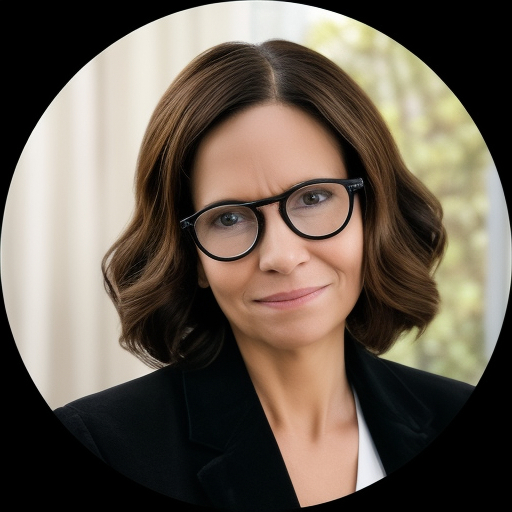
Liisa Hiltunen
PACFA
Practical systemic counselling for life transitions
- Stress, Anxiety
- Relationship
- Self esteem


Michele San Martin
LPC
Collaborative, practical therapy for everyday challenges
- Stress, Anxiety
- Relationship
- Trauma and abuse

Some links on this page are partner links. We will earn a commission if you sign up through one, at no cost to you. It does not change what you pay or the order of the listings.
What forgiveness is and how it commonly affects people
Forgiveness often feels like a simple word but carries many meanings. For some people it means letting go of a desire for revenge. For others it is about changing how an experience defines you. Forgiveness can be an emotional process, a cognitive shift, and a relational choice all at once. You may find that working toward forgiveness does not erase what happened, but it can change how much attention and energy an event takes from your daily life. That change can affect your mood, your relationships, your sense of identity, and how you plan for the future.
People approach forgiveness from different angles. Sometimes it is forgiveness of another person, sometimes it is self-forgiveness, and sometimes it is forgiveness of circumstances or institutions. The meaning you give to forgiveness will shape the process. For some, forgiveness is a moral or spiritual act. For others, it is a pragmatic way to reduce ongoing emotional burden. In any case, the experience tends to involve remembering, feeling, reinterpreting, and making decisions about future interactions. You might move through stages at your own pace, and what matters most is what helps you live with greater clarity and less preoccupation with past hurts.
Signs you might benefit from therapy focused on forgiveness
You may notice persistent thoughts about a hurtful event that intrude at work, during relationships, or in quiet moments. If you feel a recurring cycle of anger, blaming, or ruminating that takes time and energy away from your goals, that pattern is a common reason people seek help. You might also observe that conflict with family members or friends never fully resolves because old grievances keep returning. In some relationships you may find it difficult to set boundaries without feeling guilty or, conversely, you may avoid contact altogether to protect yourself, and that avoidance can cause loneliness or regret.
Other signs include difficulty forgiving yourself after a mistake, carrying shame that limits your sense of possibility, or repeatedly replaying what you would have done differently. You might be trying to repair a relationship but feel stuck on trust or apology dynamics. In some cases, people seek support when they want to hold both accountability and compassion in the same conversation. Therapy can be a place to explore whether the process of forgiveness would serve you, and what shape that process needs to take in order to feel authentic and sustainable.
What to expect in therapy sessions focused on forgiveness
When you begin therapy aimed at forgiveness work, the earliest sessions often focus on understanding your story and your goals. A therapist will typically ask about the event or pattern that caused harm, how it shows up in your life now, and what you hope to change. The work is usually paced to your readiness. You are not expected to push through feelings before you are prepared. Instead the process tends to involve building a comfortable environment in which feelings can be explored, named, and processed without pressure.
Expect to do several kinds of tasks in therapy. You may spend time mapping the narrative of the hurt so you can see how memories, meanings, and beliefs fit together. You might practice emotion-regulation strategies to manage strong reactions safely in the moment. Therapists often guide clients through perspective-taking exercises that allow you to hold multiple viewpoints simultaneously - your own experience and, when appropriate, the other person’s context - without excusing harmful behavior. Forgiveness-focused sessions may also include work on boundaries and on concrete steps to change future interactions so that you can protect your wellbeing while deciding what forgiveness means for you.
Common therapeutic approaches used for forgiveness
Therapists bring a range of approaches to forgiveness work. You may find practitioners who list cognitive-behavioral approaches among their methods, which emphasize how thoughts and beliefs shape emotional responses and then practice new thinking patterns and behaviors. Others list emotion-focused approaches that center on accessing and processing feelings about the hurt. Some therapists use narrative techniques to help you re-author the story you tell about what happened and your role in it.
There are also therapists who list compassion-focused approaches among their methods, which work with self-directed kindness and the reduction of harsh self-judgment when self-forgiveness is the goal. Mindfulness-based approaches teach ways to observe painful memories without getting carried away by them. You may encounter therapists who list experiential methods that include guided imagery or letter-writing exercises to express unresolved emotions. If trauma memories are a feature of your experience, you may find therapists who list EMDR among their approaches or who list other body-oriented methods among their approaches; these descriptions indicate the approaches they use, not formal status or certification. When exploring profiles, pay attention to how therapists describe their work with forgiveness and whether their language resonates with your needs.
How online therapy works for forgiveness and tips for choosing the right therapist
How online therapy adapts to forgiveness work
Online therapy can be well suited to forgiveness work because it allows you to meet from familiar surroundings and to schedule sessions with greater flexibility. You might find that having a session from home helps you feel more grounded, or you may prefer the separation that a quiet office provides when your therapist meets you virtually. Online sessions can include speaking, guided exercises, journaling prompts, role-play, and shared documents for letter writing or narrative work. Some therapists offer video, phone, or messaging formats; your preference for visual connection or more reflective, text-based interaction can shape which format you choose.
Practical considerations also matter. You will want to check whether the therapist lists experience working with the kinds of relationship dynamics or moral dilemmas you are facing, and whether they describe approaches that match your style. Online work requires clear communication about session structure, information-sharing boundaries practices, and how to handle intense emotions between sessions - ask about these elements when you reach out. Good online therapy preserves the relational qualities of in-person work, such as empathy, active listening, and thoughtful pacing, while offering the convenience of distance-based meetings.
Tips for choosing a therapist to support forgiveness
Begin by clarifying the kind of help you want. Are you focused on self-forgiveness, repairing a relationship, or managing long-standing anger? Once your goals are clearer, look for therapists who list relevant focus areas and approaches. Read profile descriptions carefully to see how they describe their work with forgiveness-related topics. Note languages offered, cultural competence statements, and whether they discuss working with accountability, boundaries, or interpersonal repair in ways that feel aligned with your values.
Consider how you want to engage in the process. If you prefer structured skill-building, therapists who list cognitive-behavioral approaches may be a match. If you want to explore meaning, identity, and narrative, look for therapists who describe narrative or existential approaches. If managing strong emotional responses feels central, seek therapists who list emotion-focused or mindfulness-based approaches. When profiles mention experiential tasks - such as letter writing, role rehearsal, or guided imagery - think about whether those methods fit your comfort level. You can also pay attention to the tone of a therapist’s profile; it can give you a sense of whether they emphasize empathy, challenge, practical skills, or reflective exploration.
Finally, trust your responses when you read profiles or speak briefly with a therapist. The right fit often involves both technical approach and relational connection. If a therapist’s language resonates and you feel that they understand your aims, that alignment can be a useful starting point for the work ahead. Forgiveness is a personal journey, and choosing a therapist who respects your pace and priorities will help you move forward intentionally.
Forgiveness is rarely a single event. It is a process that intersects with emotion, memory, values, and relationships. Therapy can offer a thoughtful space to explore what forgiveness would mean for you, to practice new ways of relating to the past, and to decide how you want to show up in the future. Use the listings above to find therapists who list forgiveness among their specialties and to compare approaches, focus areas, and languages so you can identify practitioners who align with your needs.