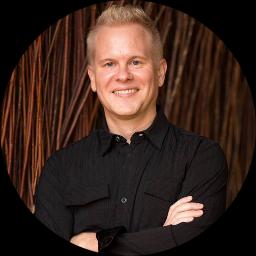
James Johansen, LCSW
California · 10 years in practice
James Johansen is a licensed clinical social worker who helps people facing relationship strain, grief, LGBTQ concerns, intimacy questions, and anger.
License and registration
- LCSW, California
- 97882 · expires October 2026
- NPI
- 1669947966 · national provider identifier
- Years in practice
- 10
- Languages
- English
Details are as listed on the therapist's public professional profile. You can check the license with the issuing state board, and the NPI with the national registry.
About James
James Johansen is a licensed clinical social worker who helps people facing relationship strain, grief, LGBTQ concerns, intimacy questions, and anger. He works in a straightforward way and treats each person as the expert on their life. Sessions aim to build on strengths and make steady, practical changes.
He draws on ten years of experience in California to guide conversations about connection and purpose. That background includes supporting people navigating non-traditional relationships, issues around sex and kink, and challenges with addiction or control.
Background and approach
James focuses on clear communication, rebuilding trust, and coping strategies that fit daily life. His approach blends systemic thinking with tools from Acceptance and Commitment Therapy and attachment-based work. That means looking at patterns between people, understanding emotional needs, and finding values-driven steps forward.
Cognitive behavioral techniques are used when helpful to change unhelpful thoughts and behaviors. James favors a respectful, client-centered style. He asks practical questions, listens closely, and helps people try small experiments between sessions.
Progress is measured in concrete changes people notice at home and in relationships. People can expect sessions that are direct but warm. James aims to create a space where honest concerns about identity, desire, and belonging can be named.
He supports clients who want clearer boundaries, better communication, or a renewed sense of direction.
Focus areas and approaches
Everything James lists on their public professional profile, in their own terms.
- LGBT
- Relationship issues
- Grief
- Intimacy-related issues
- Anger management
- BDSM, kink, and alternative sex culture
- Commitment issues
- Communication problems
- Control issues
- Drug and alcohol addiction
- Family problems
- Isolation / loneliness
- Jealousy
- Life purpose
- Men's issues
- Midlife crisis
- Veteran and Armed Forces Issues
- Polyamory / non-monogamous relationships
- Prejudice and discrimination
- Self-love
- Sex addiction
- Sexual dysfunction
- Sexuality
Approaches James names
- Systemic Therapy
- Acceptance and Commitment Therapy (ACT)
- Attachment-Based Therapy
- Client-Centered Therapy
- Cognitive Behavioral Therapy (CBT)
- Dialectical Behavior Therapy (DBT)
- Existential Therapy
- Mindfulness Therapy
- Motivational Interviewing
- Psychodynamic Therapy
- Solution-Focused Therapy
- Trauma-Focused Therapy
- Internal Family Systems
Naming an approach is not evidence of training in it. This directory copies what each therapist lists and does not check training records.
Online support
How approaches translate to online therapy
Systemic work looks at patterns between people and the roles they play. Online sessions let the therapist and client map those patterns and practice different responses in conversation, which helps with communication and relationship concerns.Acceptance and Commitment Therapy, or ACT, focuses on values and small committed actions. In remote sessions this can lead to brief between-session assignments and values-based goals clients can try between calls or messages.
Attachment-based work pays attention to how early connection styles shape current relationships. Talking through these patterns online can clarify emotional needs and guide steps toward safer, more dependable connection.
Finding the right approach is a collaborative process. The therapist will discuss goals, preferences, and what feels most useful, and then adjust techniques over time based on what actually helps the client meet their aims.
Online formats include video calls, phone sessions, live chat, and text-based messaging. Video is useful for deeper conversations and reading nonverbal cues, phone is helpful when bandwidth is limited, live chat suits quick check-ins, and messaging works well for ongoing reflection between sessions. These options make it easier to fit therapy into busy lives and different schedules.
We will earn a commission if you sign up through our link, at no cost to you. It does not change what you pay or the order of the listings.
Questions people ask
What kinds of concerns does James address?
He works with relationship strain, LGBTQ issues, grief, intimacy questions, and anger, plus related areas like jealousy, communication, and life purpose.
What is his therapeutic style like?
He uses a client-centered, practical style that combines systemic thinking with ACT, attachment-based ideas, and CBT tools to help people make day-to-day changes.
How much clinical experience does he have?
James has ten years of professional work experience supporting people with relationship, identity, and emotional challenges in California.
What are his credentials and where is he based?
He holds an LCSW credential and is licensed in California.
Which languages are offered for sessions?
Sessions are offered in English.
Can international clients work with him?
International clients are not currently accepted; sessions are offered to people located in his licensed region.
What session formats are available?
He offers video calls, phone sessions, live chat, and text-based messaging to fit different schedules and needs.
How are fees handled and how do I start?
Costs vary with location and availability and use a subscription that can be canceled at any time. To begin, select the Start Therapy button, complete the short matching questionnaire, and schedule according to therapist availability.
More therapists in California
See allAlejandro Holguin
LCSW
Practical, collaborative help for life changes
- Stress, Anxiety
- Relationship
- Anger
Eugene Yamamoto
LCSW
Practical therapy for stress and life changes
- Stress, Anxiety
- Self esteem
- Depression
Gian Sarabia
LMFT
Practical, relationship-focused therapy for real life
- Trauma and abuse
- Intimacy-related issues
- Bipolar

Henry Burciaga
LMFT
Experienced therapist focused on relationships and life change
- Stress, Anxiety
- Relationship
- Family

Is this your profile?
Ask us to correct details or take the page down.
Contact us