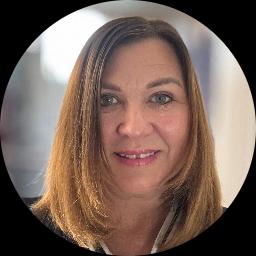
Carey Alvord, LMFT
California · 23 years in practice
Carey Alvord is a Licensed Marriage and Family Therapist (LMFT) based in California with 23 years of clinical experience.
License and registration
- LMFT, California
- 44400 · expires November 2026
- NPI
- 1013006220 · national provider identifier
- Years in practice
- 23
- Languages
- English
Details are as listed on the therapist's public professional profile. You can check the license with the issuing state board, and the NPI with the national registry.
About Carey
Carey Alvord is a Licensed Marriage and Family Therapist (LMFT) based in California with 23 years of clinical experience. She helps people who are worried about stress, anxiety, parenting, trauma, and relationship patterns. Carey aims to make sessions feel safe and straightforward so people can talk about what matters most.
Carey focuses on attachment and developmental trauma, and she works with parents who are biological, foster, adoptive, or relative caregivers when they are open to attachment-based parenting work.
Background and approach
She also supports teens and adults who want to understand how childhood loss or trauma shaped their attachment and relationships. Her background includes broad experience across parenting and trauma-related concerns. In sessions she combines systemic thinking with attachment-based ideas and practical tools from approaches like dialectical behavior therapy and mindfulness.
That means she pays attention to family patterns, how people relate, and what helps someone feel steadier in day-to-day life. Carey keeps sessions structured but open so emotions and memories can be explored safely. She uses a range of techniques to match each person’s needs.
Therapy often includes talking through relationship patterns, learning skills to manage strong emotions, and trying out new ways of connecting with others. Carey encourages small, real changes that add up over time. Carey describes the first step as a courageous one and works with each person to set clear goals and practical next steps.
Her style is collaborative and focused on helping people find healthier ways to relate and cope.
Focus areas and approaches
Everything Carey lists on their public professional profile, in their own terms.
- Stress, Anxiety
- Family conflicts
- Trauma and abuse
- Parenting issues
- Compassion fatigue
- Abandonment
- Adoption and foster care
- Attachment issues
- Blended family issues
- Caregiver issues and stress
- Chronic pain, illness, and disability
- Dissociation
- Fertility issues
- Forgiveness
- Immigration issues
- Life purpose
- Veteran and Armed Forces Issues
- Multicultural concerns
- Post-traumatic stress
- Women's issues
- Young adult issues
Approaches Carey names
- Systemic Therapy
- Attachment-Based Therapy
- Dialectical Behavior Therapy (DBT)
- Mindfulness Therapy
- Motivational Interviewing
- Narrative Therapy
- Solution-Focused Therapy
- Trauma-Focused Therapy
Naming an approach is not evidence of training in it. This directory copies what each therapist lists and does not check training records.
Online support
Practical approaches for online attachment and trauma work
Carey uses Attachment-Based Therapy to look at how early relationships shape current reactions and connections; this helps people and parents understand patterns and try different ways of relating. She also incorporates Dialectical Behavior Therapy, which focuses on emotion regulation, distress tolerance, and interpersonal effectiveness to manage intense feelings and conflicts. Mindfulness techniques are used to build present-moment awareness and reduce reactivity, which can help with anxiety and stress.Choosing the right approach is a collaborative process. Carey will work with each person to figure out which methods fit their concerns, goals, and day-to-day life. That means discussing what feels most useful and adjusting the plan over time rather than using one fixed method.
Online formats like video calls, phone sessions, live chat, and text-based messaging make it easier to fit therapy into busy schedules. Video lets people work face-to-face when they prefer seeing nonverbal cues. Phone sessions can be a better fit when bandwidth is limited or for a quick check-in. Live chat and text messages are useful for brief updates, skill practice, or when shorter, more frequent contact helps progress. These options aim to make therapy flexible and accessible while keeping the focus on practical skills and relationship work.
We will earn a commission if you sign up through our link, at no cost to you. It does not change what you pay or the order of the listings.
Questions people ask
What concerns does Carey commonly address?
Carey supports people with stress, anxiety, parenting challenges, trauma and abuse, and compassion fatigue. She also focuses on issues like attachment, adoption and foster care, blended family concerns, and chronic illness.
What is her therapeutic style and approach?
She blends systemic perspectives with attachment-based work plus practical tools from DBT, mindfulness, motivational interviewing, narrative, and solution-focused ideas. Sessions are structured but conversational and aim for useful, clear tools.
How long has she been practicing?
Carey has 23 years of professional experience working with parents, teens, and adults around attachment and developmental trauma.
What credentials and region apply to her practice?
She is a Licensed Marriage and Family Therapist, LMFT, practicing in California.
Which languages are sessions offered in?
Sessions are offered in English. International clients are not currently accepted.
What session formats are available?
Carey offers video calls, phone sessions, live chat, and text-based messaging to suit different needs and schedules.
How does cost and billing work?
Cost varies with location and therapist availability. Sessions use a subscription model that can be canceled at any time.
How do I begin working with her?
Start by selecting the Start Therapy button, completing a short matching questionnaire, and then scheduling according to the therapist's availability.
More therapists in California
See allAlejandro Holguin
LCSW
Practical, collaborative help for life changes
- Stress, Anxiety
- Relationship
- Anger

Eugene Yamamoto
LCSW
Practical therapy for stress and life changes
- Stress, Anxiety
- Self esteem
- Depression
Gian Sarabia
LMFT
Practical, relationship-focused therapy for real life
- Trauma and abuse
- Intimacy-related issues
- Bipolar

Henry Burciaga
LMFT
Experienced therapist focused on relationships and life change
- Stress, Anxiety
- Relationship
- Family

Is this your profile?
Ask us to correct details or take the page down.
Contact us