
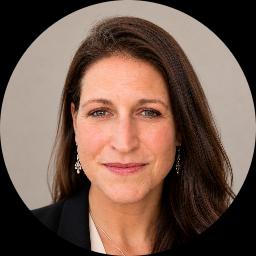
Monica DuShane, LCSW, LISW
Illinois · 9 years in practice
Monica DuShane is a licensed clinical social worker with nine years of experience helping people navigate major life changes and emotional struggles.
License and registration
- LCSW, Illinois
- 149022500 · expires November 2027
- LISW, Ohio
- I.1600267-SUPV · expires September 2026
- NPI
- 1801496468 · national provider identifier
- Years in practice
- 9
- Languages
- English
Details are as listed on the therapist's public professional profile. You can check the license with the issuing state board, and the NPI with the national registry.
About Monica
Monica DuShane is a licensed clinical social worker with nine years of experience helping people navigate major life changes and emotional struggles. She holds LCSW and LISW credentials and practices in Ohio. Monica aims to make therapy straightforward and helpful on everyday terms.
Her style is warm and practical. Sessions focus on what matters to the client and on starting small, useful changes. She listens for strengths, patterns, and the kinds of problems that keep coming up in daily life.
Background and approach
Monica uses Systemic therapy alongside client-centered methods and cognitive-behavioral tools. That means she looks at how relationships and routines affect feelings, centers the client’s own goals, and helps people try new ways of thinking and behaving. Mindfulness and skills from dialectical behavior therapy also appear when they match a person’s needs.
People come to her for a wide range of concerns. These include stress, anxiety, grief, depression, bipolar mood concerns, trauma and abuse, ADHD, parenting strain, caregiving stress, and work-related problems. She also supports issues such as intimacy, communication problems, chronic illness, end-of-life worries, and identity-related concerns.
In sessions Monica breaks things down into clear steps. She helps clients set realistic goals, practice new skills between meetings, and track small wins. Her aim is to help people feel more in control and better able to handle life’s ups and downs.
Focus areas and approaches
Everything Monica lists on their public professional profile, in their own terms.
- Stress, Anxiety
- Grief
- Career difficulties
- Coping with life changes
- Compassion fatigue
- LGBT
- Relationship issues
- Family conflicts
- Trauma and abuse
- Intimacy-related issues
- Sleeping disorders
- Parenting issues
- Anger management
- Self esteem
- Bipolar disorder
- Depression
- Coaching
- ADHD
- Aging and geriatric issues
- Autism and Asperger Syndrome
- Cancer
- Caregiver issues and stress
- Chronic pain, illness, and disability
- Communication problems
- Control issues
- Divorce and separation
- Emptiness
- Family of origin issues
- Family problems
- Fatherhood issues
- Forgiveness
- Guilt and shame
- Hospice and end-of-life counseling
- Immigration issues
- Isolation / loneliness
- Life purpose
- Midlife crisis
- Veteran and Armed Forces Issues
- Money and financial issues
- Self-love
- Social anxiety and phobia
- Somatization
- Women's issues
- Workplace issues
Approaches Monica names
- Systemic Therapy
- Client-Centered Therapy
- Cognitive Behavioral Therapy (CBT)
- Dialectical Behavior Therapy (DBT)
- Mindfulness Therapy
- Psychodynamic Therapy
- Solution-Focused Therapy
- Somatic Therapy
Naming an approach is not evidence of training in it. This directory copies what each therapist lists and does not check training records.
Online support
How therapy approaches translate to online care
Many clients find Cognitive Behavioral Therapy helpful for managing anxiety, low mood, and patterns of thinking that cause distress. CBT focuses on identifying unhelpful thoughts and testing new behaviors to see if they bring relief or better outcomes.Client-Centered Therapy centers the person's own goals and priorities. Sessions emphasize listening, empathy, and helping people clarify what they want to change or improve in their lives.
Systemic therapy looks at how relationships, family patterns, and daily routines influence a person’s wellbeing. It can help when problems repeat across interactions or when changes in one area affect others.
Deciding which approach to use is a team effort. The therapist will ask about your goals, what has or hasn't worked before, and your preferences. Together you will try methods that fit your needs and adjust the plan as you go.
Online sessions offer flexibility in format. Video calls work well for deeper conversations and visual cues. Phone sessions can be easier when bandwidth is limited or you prefer not to be on camera. Live chat and text-based messaging allow short check-ins, timely skill practice, or brief coaching between longer sessions. These options make it easier to fit therapy into busy schedules and to keep working on goals from wherever you are located in Ohio.
We will earn a commission if you sign up through our link, at no cost to you. It does not change what you pay or the order of the listings.
Questions people ask
What concerns does Monica help with?
She works with stress, anxiety, grief, depression, bipolar concerns, trauma and abuse, ADHD, relationship and intimacy issues, parenting and caregiving stress, career problems, chronic illness, and related challenges.
How would you describe her therapeutic style?
Her style is practical and client-centered, focusing on clear goals, small steps, and skills you can use between sessions.
What is her background and experience?
She has nine years of experience as a licensed clinical social worker and has worked with people facing life transitions, workplace stress, chronic health concerns, and family issues.
What credentials and location are listed?
She holds LCSW and LISW credentials and practices in Ohio.
In what languages are sessions offered?
Sessions are offered in English and international clients are not currently accepted.
Which session formats are available?
She offers video calls, phone sessions, live chat, and text-based messaging to suit different needs and schedules.
How does billing and cost work?
Cost varies with location and therapist availability; sessions use a subscription model that can be canceled at any time.
What is the first step to begin therapy?
Use the Start Therapy button, complete a short matching questionnaire, and schedule sessions according to the therapist's availability.
More therapists in Ohio
See allLucinda Rhoads
LPCC
Experienced clinician focused on healing and practical skills
- Stress, Anxiety
- Trauma and abuse
- Self esteem

Dr. Ulia Fisher
LIMFT, LPCC
Compassionate, practical support for real-life struggles
- Stress, Anxiety
- Relationship
- Family

Tamika Thomas
LPCC
Compassionate, practical therapy for everyday challenges
- Stress, Anxiety
- Relationship
- Self esteem

Samantha Blackwell
LCSW, LISW
Practical, relationship-aware therapy for life transitions
- Stress, Anxiety
- Family
- Trauma and abuse
Is this your profile?
Ask us to correct details or take the page down.
Contact us