
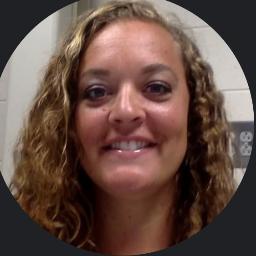
Lucinda Rhoads, LPCC
Ohio · 29 years in practice
Lucinda Rhoads is an Ohio licensed professional clinical counselor (LPCC) with 29 years of experience helping people facing stress, anxiety, trauma, and relationship challenges.
License and registration
- LPCC, Ohio
- E.0002842 · expires September 2026
- NPI
- 1336296797 · national provider identifier
- Years in practice
- 29
- Languages
- English
Details are as listed on the therapist's public professional profile. You can check the license with the issuing state board, and the NPI with the national registry.
About Lucinda
Lucinda Rhoads is an Ohio licensed professional clinical counselor (LPCC) with 29 years of experience helping people facing stress, anxiety, trauma, and relationship challenges. She focuses on everyday struggles like panic attacks, low self-esteem, grief, ADHD, and coping with major life changes. Her approach is straightforward and caring for people who want steady, practical support.
She works in a collaborative way that centers the client's experience. Sessions aim to build clearer communication, better emotional regulation, and realistic next steps.
Background and approach
Lucinda uses tools from attachment-based work and cognitive-behavioral techniques to help people understand patterns and try new behaviors. Clients can expect a warm, listening presence that asks questions and offers concrete strategies. Conversations often include skill-building for stress and impulse control, and focused work on trauma-related symptoms when needed.
The therapist draws on dialectical behavior principles at times to help manage intense emotions. Lucinda has a long history of helping people sort out career stress, parenting strain, addiction concerns, and compassion fatigue. She also gives attention to attachment wounds, abandonment issues, and problems with communication and control.
Her practice supports exploration of life purpose and healing after separation or loss. Sessions are offered in English and provided through video calls, phone, live chat, or text-based messaging. To begin, a prospective client completes a short matching questionnaire and schedules according to the posted process.
Fees vary with location and use a cancelable subscription model.
Focus areas and approaches
Everything Lucinda lists on their public professional profile, in their own terms.
- Stress, Anxiety
- Trauma and abuse
- Self esteem
- ADHD
- Addictions
- Relationship issues
- Family conflicts
- Grief
- Parenting issues
- Career difficulties
- Coping with life changes
- Coaching
- Compassion fatigue
- Abandonment
- Attachment issues
- Autism and Asperger Syndrome
- Communication problems
- Control issues
- Divorce and separation
- Forgiveness
- Guilt and shame
- Impulsivity
- Isolation / loneliness
- Life purpose
- Veteran and Armed Forces Issues
- Panic disorder and panic attacks
- Post-traumatic stress
- Seasonal Affective Disorder (SAD)
- Self-love
- Sexual assault and abuse
- Social anxiety and phobia
- Women's issues
Approaches Lucinda names
- Systemic Therapy
- Attachment-Based Therapy
- Client-Centered Therapy
- Cognitive Behavioral Therapy (CBT)
- Dialectical Behavior Therapy (DBT)
- Eye Movement Desensitization and Reprocessing (EMDR)
- Hypnotherapy
- Mindfulness Therapy
- Motivational Interviewing
- Narrative Therapy
- Solution-Focused Therapy
- Somatic Therapy
- Trauma-Focused Therapy
Naming an approach is not evidence of training in it. This directory copies what each therapist lists and does not check training records.
Online support
Approaches that translate to online care
Systemic therapy looks at patterns between people and how those patterns affect day-to-day problems. In online sessions this can mean mapping relationship cycles, clarifying roles, and practicing new interaction skills that reduce conflict and improve support.Attachment-based therapy focuses on how early bonds shape current connections and emotion regulation. Online work often involves naming attachment reactions, trying experiments to change expectations, and building more supported ways of asking for support.
Client-centered therapy emphasizes listening, acceptance, and following the client's pace. This approach helps people feel heard and choose their next steps, which can be especially useful when sorting out goals over video or messaging.
Finding the right mix of approaches is part of the process. The therapist will work collaboratively to match methods to a person's needs, goals, and preferences rather than prescribing a single path. That means sessions may blend exploration, practical skills, and targeted work on trauma or impulsivity as needed.
Online formats include video calls, phone sessions, live chat, and text-based messaging. Video lets people use visual cues for deeper conversations, phone is useful when bandwidth is limited, chat can handle brief check-ins, and messaging supports ongoing reflection between sessions. These options make it easier to fit therapy into work, parenting, or travel schedules while keeping the focus on progress.
We will earn a commission if you sign up through our link, at no cost to you. It does not change what you pay or the order of the listings.
Questions people ask
What kinds of problems does this therapist address?
She supports people with stress, anxiety, trauma and abuse, addiction concerns, low self-esteem, ADHD, grief, parenting strain, career stress, and related issues such as panic, isolation, and post-traumatic stress.
How would you describe the therapy style?
The style is collaborative and practical. Sessions focus on listening, validation, building communication skills, and creating doable steps to manage symptoms and life changes.
What is the therapist's background and experience?
She holds 29 years of clinical experience working with a wide range of concerns including trauma, neurodiversity, and relationship dynamics.
What credential and location information is provided?
She is an Ohio LPCC, which stands for Licensed Professional Clinical Counselor, and practices in Ohio.
Which languages are available for sessions?
Sessions are offered in English only and international clients are not currently accepted.
What session formats are offered?
Therapy is available via video calls, phone sessions, live chat, and text-based messaging to suit different needs and schedules.
How are sessions paid for and what do they cost?
Cost varies with location and this therapist uses a subscription model for sessions that can be canceled at any time.
How do I begin working with this therapist?
Start by selecting the Start Therapy button, complete a short matching questionnaire, and then schedule sessions according to the platform's scheduling process.
More therapists in Ohio
See allDr. Ulia Fisher
LIMFT, LPCC
Compassionate, practical support for real-life struggles
- Stress, Anxiety
- Relationship
- Family

Tamika Thomas
LPCC
Compassionate, practical therapy for everyday challenges
- Stress, Anxiety
- Relationship
- Self esteem

Samantha Blackwell
LCSW, LISW
Practical, relationship-aware therapy for life transitions
- Stress, Anxiety
- Family
- Trauma and abuse

Is this your profile?
Ask us to correct details or take the page down.
Contact us