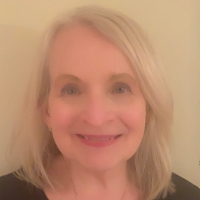
Lauryn Harris
NCPS
Compassionate counsellor focused on relationships and trauma
- Addictions
- Relationship
- Family
Clinical social work directory
247 therapists list eating disorders among the things they work with. All offer sessions online, and every profile shows the registering body, the membership number and when it runs to.
This page lists therapists who specialize in eating disorders and related concerns. Browse the profiles below to compare clinicians' focus areas, approaches, credentials, and languages.
NCPS
Compassionate counsellor focused on relationships and trauma
LMHC
Restoring control and hope in everyday life
BACP
Straightforward counselling focused on practical change
LMFT
Therapy focused on relationships and life changes
BACP
Gentle, practical support for life’s difficult moments
LPC
Support for anxiety, relationships, and life change
NCPS
Counselling that focuses on patterns and practical steps
BACP
Calm, practical therapy for life and relationships
BACP
Compassionate counsellor for life and relationship change
BACP
Calm, practical support for everyday struggles
AASW
Practical, collaborative online therapy for change
HCPC
Calm, practical support for life’s challenges
LMFT
Relationship-focused therapist helping families heal
BACP
Practical, warm counselling for everyday struggles
AASW
Compassionate, practical support for life’s hard moments
LPC-MHSP
Practical, values-aware therapy for complex life challenges
LCSW
Compassionate systemic therapy for real-life change
LPC
Compassionate counselor focused on relationships and growth
LPC
Practical, relationship-aware therapy for life challenges
BACP
Supportive counsellor for stress and relationships
BACP
Experienced UK counsellor for relationship and emotional challenges
BACP
Gentle, practical counselling with mindfulness
BACP
A warm relational therapist who focuses on lasting change
LMFT, LCMFT
Restoring boundaries and healthier relationships
LCSW
Collaborative therapist focusing on relationships and coping
NCPS
Practical, person-centred counselling for everyday struggles
BACP
Calm, practical counselling for life transitions
BACP
Calm practical support for stressful life problems
NCPS
Calm practical support for everyday overwhelm
AASW
Practical support for stress and relationships
NCPS
Practical, relationship-focused psychotherapy
LPC
Practical counseling that builds on your strengths
LPC
Helping people reshape relationships and patterns
LPC
Systemic-minded LPC helping people find practical change
LPC
Experienced counselor focused on practical change
Some links on this page are partner links. We will earn a commission if you sign up through one, at no cost to you. It does not change what you pay or the order of the listings.
Eating disorders are a range of patterns around eating, weight, and body image that can have a profound effect on daily life. They often involve intense preoccupation with food, strict rules about eating, cycles of restriction and bingeing, or behaviors intended to influence weight. You may notice that thoughts about eating or body shape occupy a lot of mental space, that social activities become difficult because of food concerns, or that eating habits interfere with work, school, or relationships. For many people, emotional states such as anxiety, depression, or stress play a role in the development or maintenance of disordered eating behaviors, and the relationship between mood and eating can be complex and change over time.
Because eating-related difficulties often intersect with physical health, social functioning, and emotional wellbeing, therapy typically looks beyond meals and weight to examine patterns of thinking, coping strategies, and relationship dynamics. You might find that symptoms shift in intensity depending on life events, cultural pressures, or changes in routine. Understanding how eating concerns fit into the broader context of your life can be the first step in identifying goals for change and deciding what kind of support feels most helpful to you.
It can be difficult to know when to seek help, but there are several changes and experiences that commonly prompt people to reach out. If you find that preoccupation with food, body size, or calories is taking over your thoughts, or that you use eating behaviors to manage difficult emotions, therapy can offer an opportunity to explore those patterns. You may notice repeated attempts to change eating habits that feel unmanageable on your own, distress about your body that affects your mood, or withdrawal from social situations because of food-related anxieties. Physical signs such as persistent low energy, changes in weight, or gastrointestinal troubles can also accompany eating concerns and are reasons to consult health professionals alongside psychotherapy.
Therapy may be appropriate if disordered eating is causing you or those close to you distress, if coping strategies feel increasingly rigid or extreme, or if attempts to self-manage have not led to lasting change. You do not need to wait until symptoms are severe to seek support. Early conversations with a therapist can help you clarify goals, learn coping skills, and identify when additional medical or nutritional input may be useful. Many people find that having a space to talk through patterns and to practice new responses to triggers is a practical way to reduce the power of eating-related thoughts and behaviors over time.
Your first sessions will typically focus on getting a clear picture of your history with food and body image, the ways eating concerns show up in your life, and what you hope to change. A therapist will ask about eating patterns, mood, relationships, and any medical or nutritional contacts you already have. These early conversations are a chance for you to describe what feels most distressing and to set goals that matter to you, whether that means reducing binge episodes, improving body image, or managing anxiety around meals.
Subsequent sessions often combine exploration of underlying emotional patterns with concrete skills you can use in daily life. You may work on recognizing triggers, identifying unhelpful thinking styles, and building alternative coping strategies that do not rely on restrictive or compensatory behaviors. Therapists commonly incorporate behavioral experiments and exposure-based practices to help you approach feared foods or situations in a gradual way. You may also spend time developing routines that support regular eating, improving communication in relationships affected by eating concerns, and planning for setbacks so that you have tools when old patterns resurface.
Therapists take a variety of approaches to address eating disorders, and different methods may suit different people. Some therapists emphasize cognitive and behavioral techniques aimed at shifting the thoughts and behaviors that maintain disordered eating. Others focus on relationships and interpersonal patterns that influence eating, while some draw on mindfulness and acceptance-based strategies to change your relationship with difficult feelings and urges. There are also therapists who list family-based approaches for adolescents, where family involvement is part of the supportive plan. You will find clinicians who describe integrative approaches as well, combining elements of several models to tailor care to your needs.
When reviewing profiles, look for language that clarifies how a clinician understands eating-related behaviors and what kinds of interventions they commonly use. Because the field includes many named approaches, you may see references to cognitive behavioral methods, interpersonal work, mindfulness-informed techniques, motivational interviewing, and family-involved strategies. Descriptions that explain the therapist's typical focus - such as improving daily eating patterns, addressing body image concerns, or supporting recovery from cycles of restriction and bingeing - can help you decide whether their way of working aligns with your goals. Remember that a therapist listing an approach does not necessarily indicate a particular certification; profiles should be taken as a starting point for questions and conversations.
Online therapy makes it possible to work with clinicians from different regions and to fit sessions into your schedule without travel. Sessions are commonly conducted via video, phone, or messaging, depending on the therapist's methods and your preferences. For video sessions, it helps to find a quiet, distraction-free area - many people choose a quiet space at home or another setting where they feel comfortable speaking openly. Technology requirements are usually minimal - a stable internet connection and a device with a camera and microphone - and therapists will explain the platform and session flow before you begin.
Because eating-related concerns often involve medical or nutritional components, online therapy can still coordinate with local health providers when needed. Many therapists describe collaborating with physicians, dietitians, or other professionals to ensure a comprehensive approach. If you have any medical symptoms or urgent concerns, it is important to contact health services in your area as part of a broader care plan. Online work can include meal support, exposure practice, skills coaching, and regular symptom monitoring. The format can be particularly helpful if you prefer the convenience of remote sessions or want access to clinicians who list specific experience with eating disorders or with particular approaches that suit your goals.
When selecting a therapist, focus on how well their described focus areas, approaches, and client populations match what you need. Review profile details about the clinician's experience with eating-related concerns, the approaches they list, and any populations they highlight, such as adolescents, adults, or queer clients. Consider practical factors like session length, fee structure, and whether they mention collaborating with medical or nutritional professionals. It can be useful to read how they describe the typical course of work and what they emphasize in therapy, since that will give you a sense of fit beyond credentials and labels.
Preparing a few questions in advance can help you evaluate fit during an initial contact. You might ask how they approach meal routines, body image work, or coordination with medical care. Ask about their experience working with people who share similar concerns to yours and whether they tend to focus more on skills-based interventions, relational exploration, or a blend of methods. Trust your sense of whether you feel heard and understood when you read a profile or speak with a clinician. Building a therapeutic relationship is a personal process, and finding someone whose way of working aligns with your needs increases the chances that you will feel supported in making meaningful changes.
Choosing to seek help is a practical step toward reducing the burden of eating-related struggles. Whether you pursue in-person or online sessions, looking for therapists who describe relevant approaches and experience will help you connect with a clinician who can work with you to set goals, practice new skills, and create sustainable changes in how you relate to food and your body.