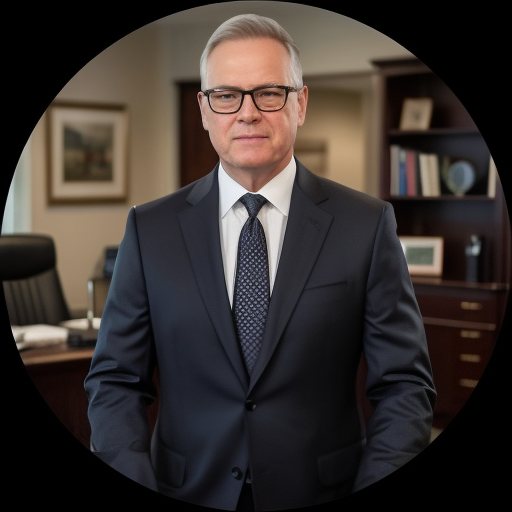
Dr. Edward Varner, LPC-MHSP
Tennessee · 30 years in practice
Dr. Edward Varner greets people with a steady, practical style honed over three decades.
License and registration
- LPC-MHSP, Tennessee
- 3516 · expires February 2027
- NPI
- 1023581758 · national provider identifier
- Years in practice
- 30
- Languages
- English, Japanese
Details are as listed on the therapist's public professional profile. You can check the license with the issuing state board, and the NPI with the national registry.
About Edward
Dr. Edward Varner greets people with a steady, practical style honed over three decades. He helps with depression, anxiety, relationship struggles, trauma recovery, and challenges like grief or career stress.
Sessions are straightforward and focused on what a person needs now. He combines systemic thinking with acceptance and commitment work to help people notice patterns and make different choices. That means looking at relationships and life roles together, and also learning how to accept difficult feelings while committing to meaningful action.
Background and approach
He draws on attachment ideas and cognitive-behavioral tools to address how past connections and current thoughts shape behavior. His background includes long experience in Tennessee counseling adults through mood disorders, trauma, and identity concerns. He uses a client-centered tone - listening first, then offering ways to test new habits and communication skills.
Practical coping strategies and emotional awareness are common parts of sessions. Dr. Varner’s approach is informed by personal values; he aims to create an environment where people feel respected.
He works with individuals who want frank, values-aware guidance and concrete steps forward. He also supports people navigating complex issues like addiction, dissociation, body image, and attachment concerns. Sessions may include short-term skill work or longer exploration depending on goals.
He speaks English and Japanese and has years of experience helping people rebuild steadiness after big life changes.
Focus areas and approaches
Everything Edward lists on their public professional profile, in their own terms.
- Relationship issues
- Trauma and abuse
- Self esteem
- Bipolar disorder
- Depression
- Stress, Anxiety
- LGBT
- Family conflicts
- Grief
- Intimacy-related issues
- Eating disorders
- Parenting issues
- Anger management
- Career difficulties
- Coping with life changes
- Coaching
- ADHD
- Attachment issues
- Autism and Asperger Syndrome
- BDSM, kink, and alternative sex culture
- Blended family issues
- Body image
- Co-morbidity
- Codependency
- Communication problems
- Coping with natural or human-caused disaster
- Dissociation
- Divorce and separation
- Domestic violence
- Drug and alcohol addiction
- Emptiness
- Family of origin issues
- Family problems
- Fatherhood issues
- First responder issues
- Gender dysphoria
- Guilt and shame
- Impulsivity
- Infidelity
- Life purpose
- Men's issues
- Veteran and Armed Forces Issues
- Mood disorders
- Multicultural concerns
- Narcissism
- Obsessions, compulsions, and OCD
- Panic disorder and panic attacks
- Personality disorders
- Post-traumatic stress
- Process addiction (porn, exercise, gambling)
- Self-harm
- Self-love
- Sex addiction
- Sexual assault and abuse
- Sexual dysfunction
- Sexuality
- Traumatic brain injury
- Workplace issues
- Young adult issues
Approaches Edward names
- Systemic Therapy
- Acceptance and Commitment Therapy (ACT)
- Attachment-Based Therapy
- Client-Centered Therapy
- Cognitive Behavioral Therapy (CBT)
- Dialectical Behavior Therapy (DBT)
- Jungian Therapy
- Mindfulness Therapy
- Psychodynamic Therapy
- Solution-Focused Therapy
- Trauma-Focused Therapy
- Internal Family Systems
Naming an approach is not evidence of training in it. This directory copies what each therapist lists and does not check training records.
Online support
How therapy approaches translate to online care
Acceptance and Commitment Therapy (ACT) helps people notice unpleasant thoughts and feelings without getting stuck in them, then pick actions that match their values. It can be useful for anxiety, depression, and making concrete changes when life feels stalled. Attachment-Based Therapy looks at how early relationships shape current bonds and trust, and it helps people learn new ways to connect and feel safer in relationships. Systemic Therapy focuses on patterns that run through a person’s relationships and daily systems, helping identify repeated cycles and practical ways to shift them.Finding the right approach is a collaborative process. The therapist will listen to concerns, goals, and preferences, then suggest a mix of approaches that fit the situation. Clients and the therapist check in together to see what’s working and adjust the plan as needed.
Online formats offer practical advantages for ongoing work. Video calls let conversations flow much like an in-person session and support detailed work on interaction and expression. Phone sessions can be easier when bandwidth is limited or when a client prefers not to use video. Live chat and text-based messaging are helpful for brief check-ins, skill practice, or when a shorter touchpoint fits a busy day. These options increase flexibility and make it simpler to maintain steady progress over time.
We will earn a commission if you sign up through our link, at no cost to you. It does not change what you pay or the order of the listings.
Questions people ask
What kinds of concerns does he address?
He helps with depression, anxiety, bipolar symptoms, trauma and abuse, and relationship and intimacy-related issues. Additional areas include grief, parenting strain, eating and body image concerns, addiction, and career stress.
How would you describe his therapeutic style?
His style blends systemic thinking with acceptance and commitment approaches and attachment ideas. Sessions tend to be practical, focused on patterns, coping skills, and values-driven action.
What experience does he bring?
He has 30 years of clinical experience working with adults on mood disorders, trauma recovery, and relationship dynamics. That experience informs a pragmatic and steady approach in sessions.
What are his credentials and where is he located?
He holds the credential LPC-MHSP and practices in Tennessee. The credential stands for Licensed Professional Counselor - Mental Health Service Provider.
Which languages are supported for sessions?
Sessions are offered in English and Japanese. International clients may also be seen.
In what formats are sessions offered?
He works via video calls, phone sessions, live chat, and text-based messaging to match different scheduling and communication needs. These options make it easier to fit therapy into work or family routines.
How is cost handled for sessions?
Cost varies with location and therapist availability and uses a subscription model that can be canceled at any time. Specific pricing is provided during the sign-up process.
How do I begin if I want to work together?
Start by selecting the Start Therapy button and completing the short matching questionnaire. After that, schedule sessions according to the therapist’s availability.
More therapists in Tennessee
See allLinda Hazel
LMFT
Experienced systemic therapist focused on relationships
- Addictions
- Relationship
- Family

Diane Witmer
LCSW
Compassionate LCSW helping people find steady progress
- Stress, Anxiety
- Trauma and abuse
- Grief

Brandon Swaim
LMFT
Compassionate therapist who focuses on relationships and patterns
- Stress, Anxiety
- Relationship
- Trauma and abuse

LeQuandra Hale-Banks
LCSW
Practical, values-focused counseling and coaching
- Stress, Anxiety
- Self esteem
- Coping with life changes
Is this your profile?
Ask us to correct details or take the page down.
Contact us