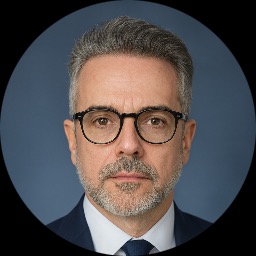
Sean Craythorne, LCSW
Florida · 10 years in practice
Sean Craythorne is a licensed clinical social worker in Florida who helps people facing stress, anxiety, depression, and self-esteem struggles.
License and registration
- LCSW, Florida
- SW24962 · expires March 2027
- NPI
- 1255167904 · national provider identifier
- Years in practice
- 10
- Languages
- English, Afrikaans
Details are as listed on the therapist's public professional profile. You can check the license with the issuing state board, and the NPI with the national registry.
About Sean
Sean Craythorne is a licensed clinical social worker in Florida who helps people facing stress, anxiety, depression, and self-esteem struggles. He works with clients around LGBT concerns and relationship challenges, using straightforward, respectful conversation to find clearer next steps. Sean speaks English and Afrikaans and draws on ten years of clinical experience.
He focuses on understanding how a person's relationships and patterns shape daily life. Sessions look at how attachment, communication, and past experiences affect current feelings and choices.
Background and approach
Sean aims to make sessions practical, so clients leave with small, doable steps to try between meetings. Sean uses a mix of methods chosen to fit each person. He often combines systemic thinking about relationships with attachment-based ideas and cognitive behavioral tools.
Mindfulness and client-centered attitudes shape how he listens and responds in session. In conversation Sean helps people tackle issues such as abandonment, guilt and shame, body image, caregiver stress, and substance concerns. He also addresses challenges related to gender dysphoria, HIV/AIDS, and isolation.
Work may include improving communication, setting boundaries, or building motivation for change. Sessions can take different formats depending on what fits someone’s life and goals. Sean emphasizes collaboration - clients set goals and he offers guidance and practical strategies to reach them.
The approach is steady, direct, and focused on usable progress.
Focus areas and approaches
Everything Sean lists on their public professional profile, in their own terms.
- Stress, Anxiety
- LGBT
- Relationship issues
- Self esteem
- Depression
- Abandonment
- Attachment issues
- Body image
- Caregiver issues and stress
- Communication problems
- Control issues
- Drug and alcohol addiction
- Family problems
- Forgiveness
- Gender dysphoria
- Guilt and shame
- HIV / AIDS
- Impulsivity
- Isolation / loneliness
- Life purpose
- Midlife crisis
- Veteran and Armed Forces Issues
- Multicultural concerns
- Narcissism
- Obsessions, compulsions, and OCD
- Panic disorder and panic attacks
- Prejudice and discrimination
- Self-love
- Sexuality
- Social anxiety and phobia
- Workplace issues
- Young adult issues
Approaches Sean names
- Systemic Therapy
- Attachment-Based Therapy
- Client-Centered Therapy
- Cognitive Behavioral Therapy (CBT)
- Mindfulness Therapy
- Motivational Interviewing
- Solution-Focused Therapy
- Trauma-Focused Therapy
Naming an approach is not evidence of training in it. This directory copies what each therapist lists and does not check training records.
Online support
Approaches for online change and connection
Sean often uses attachment-based work to look at how early and current relationships shape emotions and responses; this helps with issues like abandonment, difficulty trusting, and loneliness. He also uses client-centered therapy, which emphasizes listening, empathy, and following the client's goals so sessions stay focused on what matters most to the person.Cognitive behavioral therapy is another tool he brings when patterns of thought and behavior cause distress; CBT helps identify unhelpful thoughts and test small behavior changes to see what works. These approaches are explained in simple terms and chosen together based on the issue at hand.
Finding the right approach is collaborative. Sean discusses goals and preferences during early sessions and adjusts methods as needed. Clients and therapist decide together whether to focus more on relationships, skills, or emotional processing as work progresses.
Online sessions are offered via video calls, phone sessions, live chat, or text-based messaging to give practical flexibility. Video calls suit longer discussions and visual cues. Phone sessions can be easier when bandwidth is limited. Live chat or text messaging work well for quick check-ins, shorter sessions, or when someone prefers not to be on camera. These options make it easier to fit therapy into a busy life and to try different formats until one feels right.
We will earn a commission if you sign up through our link, at no cost to you. It does not change what you pay or the order of the listings.
Questions people ask
What concerns does he address?
He works with stress, anxiety, depression, low self-esteem, relationship problems, and LGBT-related issues, plus related topics like body image and caregiver stress.
What is his therapeutic style like?
He blends systemic thinking with attachment and client-centered approaches, and uses CBT and mindfulness when helpful to create practical steps for change.
How long has he been practicing?
He has ten years of clinical experience working with adults on emotional and relationship concerns.
What are his credentials and where is he located?
He holds the credential LCSW as a licensed clinical social worker and practices in Florida.
Which languages are supported for sessions?
Sessions are offered in English and Afrikaans.
What session formats are available?
He offers video calls, phone sessions, live chat, and text-based messaging to suit different needs and schedules.
How are sessions paid for?
Costs vary with location and therapist availability; sessions use a subscription model that can be canceled at any time.
How do I begin working with him?
Click the Start Therapy button, complete a short matching questionnaire, and schedule sessions according to the therapist's listed availability.
More therapists in Florida
See allDr. Daniella Jackson
LMHC
Restoring control and hope in everyday life
- Stress, Anxiety
- Addictions
- Relationship

Robert Shackelford
LMFT
Compassionate, practical support for life changes
- Stress, Anxiety
- Relationship
- Family

Dr. Mary Torok
LMHC
Compassionate therapist focusing on practical change
- Stress, Anxiety
- Family
- Trauma and abuse
Is this your profile?
Ask us to correct details or take the page down.
Contact us