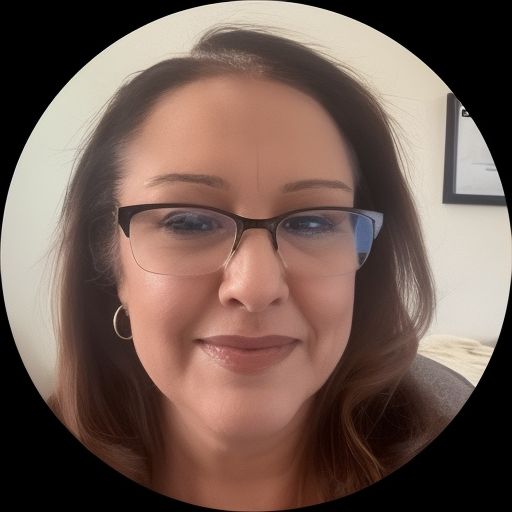
Monica Torres, LCSW
Arizona · 10 years in practice
Monica Torres is a licensed clinical social worker who has practiced in Arizona for ten years.
License and registration
- LCSW, Arizona
- LCSW-21342 · expires February 2027
- NPI
- 1265924906 · national provider identifier
- Years in practice
- 10
- Languages
- English
Details are as listed on the therapist's public professional profile. You can check the license with the issuing state board, and the NPI with the national registry.
About Monica
Monica Torres is a licensed clinical social worker who has practiced in Arizona for ten years. She focuses on helping people manage anxiety, depression, trauma, grief, and self-esteem struggles. Her work aims to make emotional problems more understandable and manageable one step at a time.
Monica creates a compassionate, affirming space where a person’s story matters. She listens for patterns that keep problems repeating and helps people notice small changes that make daily life easier.
Background and approach
Sessions are collaborative and paced to each person’s needs. Her background includes work with people navigating discrimination, multicultural challenges, and identity concerns. Monica often addresses abandonment, caregiver stress, isolation, and relationship patterns that come from family of origin issues.
She supports people coping with mood disorders, post-traumatic stress, and periods of major life transition. Monica draws on several evidence-based methods to shape practical steps for change. She uses tools that teach emotion regulation, reduce distressing thoughts, and process difficult memories.
Mindfulness skills are woven in to help people stay grounded between sessions. People who connect well with Monica tend to want clear strategies plus thoughtful reflection. She helps set short-term goals and builds toward longer changes.
Her approach is straightforward, culturally aware, and focused on what the person needs now.
Focus areas and approaches
Everything Monica lists on their public professional profile, in their own terms.
- Stress, Anxiety
- Trauma and abuse
- Grief
- Self esteem
- Depression
- Abandonment
- Caregiver issues and stress
- Commitment issues
- Family of origin issues
- Family problems
- Forgiveness
- Gender dysphoria
- Impulsivity
- Isolation / loneliness
- Midlife crisis
- Mood disorders
- Multicultural concerns
- Personality disorders
- Post-traumatic stress
- Prejudice and discrimination
- Seasonal Affective Disorder (SAD)
- Self-harm
- Self-love
- Sexual assault and abuse
- Sexuality
- Women's issues
- Young adult issues
Approaches Monica names
- Systemic Therapy
- Cognitive Behavioral Therapy (CBT)
- Dialectical Behavior Therapy (DBT)
- Eye Movement Desensitization and Reprocessing (EMDR)
- Mindfulness Therapy
- Motivational Interviewing
- Solution-Focused Therapy
- Trauma-Focused Therapy
Naming an approach is not evidence of training in it. This directory copies what each therapist lists and does not check training records.
Online support
Approaches that guide online sessions
Monica often combines Systemic Therapy with Cognitive Behavioral Therapy to address how relationships and daily thoughts affect emotional health. Systemic Therapy looks at patterns within a person’s network and how those patterns influence stress and behavior. Cognitive Behavioral Therapy focuses on identifying and changing unhelpful thoughts and behaviors to reduce anxiety and depression.She also uses Dialectical Behavior Therapy techniques to teach emotion regulation and distress tolerance skills when feelings feel overwhelming. Those skills are useful for managing intense moods, impulsivity, and relationship strain. Together, these approaches offer both insight into relational patterns and clear tools to handle difficult moments.
Finding the right approach happens together. Monica will discuss goals and help choose methods that fit a person’s needs and preferences. She adjusts strategies over time so work in sessions matches what a person wants to change.
Online therapy options include video calls, phone sessions, live chat, and text-based messaging. Video is good for in-depth weekly sessions, phone works when bandwidth is limited or for a focused check-in, chat can be useful for short reflections, and messaging supports ongoing skill practice between meetings. These formats aim to make therapy more flexible and easier to fit into daily life.
We will earn a commission if you sign up through our link, at no cost to you. It does not change what you pay or the order of the listings.
Questions people ask
What concerns does Monica commonly help with?
She works with stress, anxiety, depression, trauma and abuse, grief, and self-esteem issues, plus related areas like caregiver stress, abandonment, and family of origin problems.
How would you describe her therapy style?
The approach is collaborative and practical, combining skill-building with reflection so people learn tools they can use between sessions.
What is her professional background?
Monica has ten years of clinical experience and has provided care to people facing multicultural concerns, discrimination, and identity-related stress.
What credentials and location are listed?
She holds an LCSW and practices in Arizona as an Arizona LCSW.
Which languages are supported and can she work internationally?
Sessions are offered in English and she is not accepting international clients.
What session formats are available?
Therapy is offered via video calls, phone sessions, live chat, and text-based messaging to fit different needs and schedules.
How does pricing work for sessions?
Cost varies with location and therapist availability and services use a subscription model that can be canceled at any time.
How do I begin working with Monica?
Start by selecting the Start Therapy button, complete a short matching questionnaire, and then schedule sessions according to therapist availability.
More therapists in Arizona
See allStephen Weiss
LICSW, LCSW
Experienced LICSW offering steady, practical support
- Stress, Anxiety
- Addictions
- Relationship
Dr. Kathryn Cornella
AZ Psychologist
Systemic-minded psychologist focused on practical change
- Stress, Anxiety
- Self esteem
- Career

Crystal Thomson
LMFT
Practical, relational therapy for everyday struggles
- Stress, Anxiety
- Relationship
- Family

Bonnie McIrvin
LCSW
Compassionate, practical help for daily life challenges
- Stress, Anxiety
- Relationship
- Family
Is this your profile?
Ask us to correct details or take the page down.
Contact us