
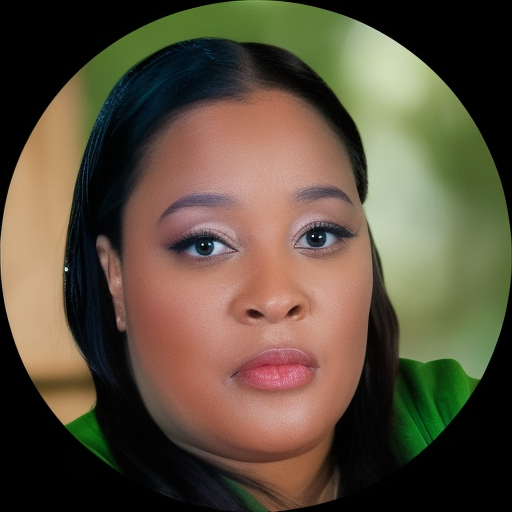
Dr. Fulani Doughty, LPC
Georgia · 17 years in practice
Dr. Fulani Doughty uses a systemic approach to understand how relationships and daily routines shape stress and behavior.
License and registration
- LPC, Georgia
- LPC005251 · expires September 2026
- NPI
- 1497913073 · national provider identifier
- Years in practice
- 17
- Languages
- English
Details are as listed on the therapist's public professional profile. You can check the license with the issuing state board, and the NPI with the national registry.
About Fulani
Dr. Fulani Doughty uses a systemic approach to understand how relationships and daily routines shape stress and behavior. He is Dr.
Fulani Doughty, LPC, and he draws on 17 years working in behavioral health to help people handle anxiety, depression, addictions, and parenting strain. He speaks plainly and focuses on practical next steps. He blends systemic thinking with client-centered listening to find what matters most to each person.
Sessions look at patterns between people and in day-to-day life.
Background and approach
He also uses cognitive behavioral tools to help change unhelpful thoughts and habits. Dr. Doughty has a broad background in education and counseling.
His past roles include work in school settings and rehabilitation counseling, and he has experience addressing adoption and foster care, attachment concerns, blended family challenges, and caregiver stress. People often come for help with sleep problems, anger, intimacy, and relationship communication. He also supports those facing grief, career questions, bipolar mood concerns, and substance use challenges.
He aims to break issues into manageable steps and measurable goals. In sessions he emphasizes clear goals, steady skill-building, and checking progress. He uses plain language and offers suggestions people can try between meetings.
He practices in Georgia and provides sessions in English.
Focus areas and approaches
Everything Fulani lists on their public professional profile, in their own terms.
- Stress, Anxiety
- Addictions
- Parenting issues
- Depression
- ADHD
- LGBT
- Relationship issues
- Family conflicts
- Trauma and abuse
- Grief
- Intimacy-related issues
- Sleeping disorders
- Anger management
- Self esteem
- Career difficulties
- Bipolar disorder
- Adoption and foster care
- Attachment issues
- Blended family issues
- Caregiver issues and stress
- Co-morbidity
- Codependency
- Commitment issues
- Communication problems
- Control issues
- Disruptive Mood Dysregulation Disorder (DMDD)
- Divorce and separation
- Drug and alcohol addiction
- Family problems
- Fatherhood issues
- Forgiveness
- Guilt and shame
- Impulsivity
- Intellectual disability
- Isolation / loneliness
- Life purpose
- Men's issues
- Veteran and Armed Forces Issues
- Money and financial issues
- Mood disorders
- Multicultural concerns
- Pregnancy and childbirth
- Prejudice and discrimination
- Seasonal Affective Disorder (SAD)
- Self-love
- Sexuality
- Women's issues
- Workplace issues
- Young adult issues
Approaches Fulani names
- Systemic Therapy
- Client-Centered Therapy
- Cognitive Behavioral Therapy (CBT)
- Existential Therapy
- Mindfulness Therapy
- Motivational Interviewing
- Narrative Therapy
- Psychodynamic Therapy
- Solution-Focused Therapy
- Trauma-Focused Therapy
Naming an approach is not evidence of training in it. This directory copies what each therapist lists and does not check training records.
Online support
How therapeutic approaches shape online care
Systemic therapy looks at how relationships, routines, and roles affect someone's worries. It helps when problems repeat across interactions or when stress ties to family patterns and daily habits. Client-centered therapy focuses on listening and building a respectful, goal-driven relationship so people feel understood and can choose their direction. Cognitive Behavioral Therapy (CBT) teaches practical skills to spot unhelpful thoughts and change behaviors, which can be useful for anxiety, depression, sleep issues, and substance use. Finding the right mix of approaches is part of the work together. The therapist will talk with the person about goals, try approaches that fit those goals, and adjust based on what helps. This collaborative stance means methods can shift session to session as progress and needs change. Online formats make it easier to keep therapy consistent. Video calls allow face-to-face conversation and shared materials. Phone sessions can be shorter check-ins or work well when bandwidth is limited. Live chat and text-based messaging are useful for quick reflections, coping prompts between sessions, or when someone prefers writing to speaking. These options offer flexibility for people juggling work, school, caregiving, or travel, and let therapists deliver the same therapeutic tools across different formats.We will earn a commission if you sign up through our link, at no cost to you. It does not change what you pay or the order of the listings.
Questions people ask
What kinds of concerns does this therapist address?
He works with a wide range of issues including stress, anxiety, depression, addictions, parenting strain, relationship and family problems, trauma and grief, sleep problems, anger, self-esteem, and career questions.
How would you describe the therapist's approach in sessions?
He uses a systemic perspective alongside client-centered listening and cognitive behavioral techniques to identify patterns and build practical skills that fit daily life.
What is his professional background and experience?
He has 17 years in behavioral health and experience in clinical mental health, rehabilitation counseling, and public education roles supporting youth and adults.
Where is he licensed and based?
He is an LPC licensed in Georgia and practices there.
Which languages are sessions offered in?
Sessions are offered in English only.
Can people outside the country work with him?
International clients are not currently accepted.
What session formats are available?
He meets via video calls, phone sessions, live chat, and text-based messaging to allow flexible options.
How does cost and starting therapy work?
Cost varies with location and therapist availability and uses a subscription that can be canceled at any time; to start, select the Start Therapy button, complete a short matching questionnaire, and schedule a session.
More therapists in Georgia
See allFarah Southwell
LPC
Support for anxiety, relationships, and life change
- Stress, Anxiety
- Relationship
- Family

Dr. Natalia Kuzmina
LMFT, LCMFT
Restoring boundaries and healthier relationships
- Stress, Anxiety
- Relationship
- Family

Cynthia (Cindy) Rozier
LCSW, CSW
Helping people navigate stress and relationships
- Stress, Anxiety
- Relationship
- Family

Sharion Phelps
LMFT
Compassionate relational therapy focused on practical change
- Stress, Anxiety
- Relationship
- Intimacy-related issues
Is this your profile?
Ask us to correct details or take the page down.
Contact us