
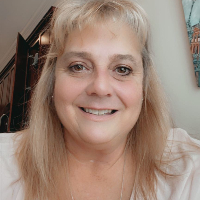
Edna Booker, LPC
Arizona · 25 years in practice
Edna Booker is a licensed professional counselor with 25 years of experience who helps people facing addiction, trauma, depression, anger, relationship and intimacy concerns.
License and registration
- LPC, Arizona
- LPC-17302 · expires April 2028
- LPC, Louisiana
- 4179 · expires June 2026
- LPC, Wisconsin
- 10974-125 · expires February 2027
- NPI
- 1801193834 · national provider identifier
- Years in practice
- 25
- Languages
- English
Details are as listed on the therapist's public professional profile. You can check the license with the issuing state board, and the NPI with the national registry.
About Edna
Edna Booker is a licensed professional counselor with 25 years of experience who helps people facing addiction, trauma, depression, anger, relationship and intimacy concerns. She welcomes conversations about sleep problems, self-esteem, career strain, and bipolar symptoms. Her style is straightforward and empathetic, with an emphasis on listening first and building trust.
In sessions she encourages clients to speak freely about what is hardest to say. Edna creates a calm space for people to notice patterns and try small changes.
Background and approach
She uses practical tools to manage intense emotions and to break cycles that keep problems stuck. Her approach draws on Client-Centered Therapy to center the person’s experience and on Cognitive Behavioral Therapy to identify unhelpful thoughts and behaviors. She also uses elements of Dialectical Behavior Therapy to teach emotion regulation skills and Systemic Therapy to look at how relationships affect problems.
Edna has worked across a wide range of concerns including substance use, domestic violence, family-of-origin issues, codependency, dissociation, and caregiver stress. She also supports people coping with grief, guilt, shame, and the emotional effects of disasters. She holds an LPC credential and maintains practice in Louisiana while also holding licensure in Arizona.
Sessions are offered in English and she is available to work with international clients when arrangements allow.
Focus areas and approaches
Everything Edna lists on their public professional profile, in their own terms.
- Addictions
- Relationship issues
- Trauma and abuse
- Anger management
- Depression
- Intimacy-related issues
- Sleeping disorders
- Self esteem
- Career difficulties
- Bipolar disorder
- Abandonment
- Aging and geriatric issues
- Caregiver issues and stress
- Codependency
- Communication problems
- Coping with natural or human-caused disaster
- Dissociation
- Domestic violence
- Drug and alcohol addiction
- Emptiness
- Family of origin issues
- Family problems
- Forgiveness
- Guilt and shame
- Hearing impaired
- HIV / AIDS
- Impulsivity
- Infidelity
- Isolation / loneliness
- Life purpose
- Mood disorders
- Multicultural concerns
- Obsessions, compulsions, and OCD
- Panic disorder and panic attacks
- Personality disorders
- Post-traumatic stress
- Self-love
- Sexual assault and abuse
- Social anxiety and phobia
- Women's issues
- Workplace issues
- Young adult issues
Approaches Edna names
- Systemic Therapy
- Client-Centered Therapy
- Cognitive Behavioral Therapy (CBT)
- Dialectical Behavior Therapy (DBT)
- Jungian Therapy
- Mindfulness Therapy
- Motivational Interviewing
- Narrative Therapy
- Psychodynamic Therapy
- Solution-Focused Therapy
- Trauma-Focused Therapy
Naming an approach is not evidence of training in it. This directory copies what each therapist lists and does not check training records.
Online support
How Edna’s Approaches Translate to Online Care
Client-Centered Therapy focuses on the person’s experience and on empathic listening. Online sessions using this approach let the therapist reflect what someone says and support their self-directed goals, which can help with issues like self-esteem and relationship concerns.Cognitive Behavioral Therapy (CBT) targets patterns of thought and behavior. In an online setting CBT uses structured conversations and homework assignments to tackle depression, anxiety, sleeping problems, and mood swings in a step-by-step way.
Dialectical Behavior Therapy (DBT) adds practical skills for managing intense emotions and improving communication. These skills are taught in short, teachable segments that work well over video or phone and can be practiced between sessions.
Choosing the right approach is a collaborative process. The therapist will talk with the client about goals, try methods that fit those goals, and adjust as needed. Clients are invited to voice preferences so the plan matches their needs and pace.
Online therapy offers flexibility and access. Video calls are useful for full sessions that include visual cues. Phone sessions can be easier when bandwidth is limited or for quick check-ins. Live chat and text messaging support brief check-ins, skills coaching, and ongoing encouragement between longer appointments. These options make it easier to fit therapy into work, caregiving, or busy schedules.
We will earn a commission if you sign up through our link, at no cost to you. It does not change what you pay or the order of the listings.
Questions people ask
What kinds of concerns does she address?
She works with addictions, trauma and abuse, depression, anger, relationship and intimacy issues, sleep problems, self-esteem concerns, career stress, and bipolar symptoms.
What is her general therapy style?
Her style is warm and direct. She listens without judgment, encourages open sharing, and focuses on practical steps clients can try between sessions.
How much clinical experience does she have?
She has 25 years of professional experience working with a broad range of mental health and addiction issues.
What credentials and region are associated with this clinician?
She holds the LPC credential and is licensed in Arizona and Louisiana, with practice based in Louisiana.
Which languages and international arrangements are supported?
Sessions are offered in English and she accepts international clients when arrangements allow.
What session formats are available?
Sessions can be conducted via video calls, phone sessions, live chat, or text-based messaging to fit different schedules and needs.
How is pricing handled?
Cost varies with location and therapist availability; sessions operate through a subscription model that can be canceled at any time.
How do I begin working with her?
Start by selecting the Start Therapy button, complete a short matching questionnaire, and then schedule sessions according to the therapist's availability.
More therapists in Louisiana
See all
Angelle Escousse
LCSW
Experienced LCSW focused on relationships and mood
- Stress, Anxiety
- Relationship
- Family
Quintell Price-Turner
LCSW
Compassionate, practical therapy for relationship patterns
- Family
- Trauma and abuse
- Parenting

Darlene Kelly
LCSW
Compassionate systemic therapy for real-life change
- LGBT
- Trauma and abuse
- Parenting

Is this your profile?
Ask us to correct details or take the page down.
Contact us