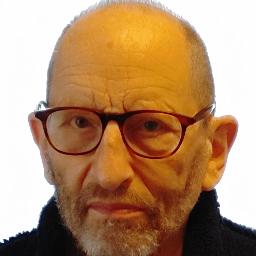
Dr. Donald Strauss, MD, LCSW-C, LISW
South Carolina · 52 years in practice
Dr. Donald Strauss is a clinician with more than five decades of experience.
License and registration
- LISW, South Carolina
- 11121 · expires December 2026
- LCSW-C, Maryland
- 02805 · expires October 2027
- NPI
- 1285629378 · national provider identifier
- Years in practice
- 52
- Languages
- English
Details are as listed on the therapist's public professional profile. You can check the license with the issuing state board, and the NPI with the national registry.
About Donald
Dr. Donald Strauss is a clinician with more than five decades of experience. He combines medical and social work perspectives to help people faced with long-term health challenges and complex emotional struggles.
He holds an MD and social work licenses LCSW-C and LISW and draws on a broad clinical background in practice and research. He often works with people coping with chronic illness, neurodegenerative disorders, severe burns, bipolar disorder, and longstanding mental health conditions.
Background and approach
He also helps helping professionals who are experiencing compassion fatigue. His work covers a wide range of everyday concerns like stress, anxiety, depression, grief, addiction, and issues around intimacy and self-esteem. Dr.
Strauss uses a mix of approaches to match the problem at hand. He applies systemic thinking to understand patterns in relationships and environments. He also uses cognitive behavioral methods to break unhelpful thinking and behavior cycles.
Sessions focus on practical problem solving and building new ways to cope. He emphasizes clear strategies people can try between sessions. The work aims at changing thoughts, feelings, and actions in ways that feel manageable.
People who reach out can expect a steady, experienced perspective and an emphasis on workable steps. He helps clients consider alternatives to habits that no longer serve them and adopt approaches that support daily functioning and recovery.
Focus areas and approaches
Everything Donald lists on their public professional profile, in their own terms.
- Stress, Anxiety
- Relationship issues
- Grief
- Intimacy-related issues
- Depression
- Addictions
- LGBT
- Family conflicts
- Trauma and abuse
- Eating disorders
- Sleeping disorders
- Parenting issues
- Anger management
- Self esteem
- Career difficulties
- Bipolar disorder
- Coping with life changes
- Compassion fatigue
- ADHD
- Abandonment
- Attachment issues
- Avoidant personality
- Blended family issues
- Body image
- Cancer
- Caregiver issues and stress
- Chronic pain, illness, and disability
- Co-morbidity
- Codependency
- Commitment issues
- Communication problems
- Control issues
- Coping with natural or human-caused disaster
- Dependent personality
- Disruptive Mood Dysregulation Disorder (DMDD)
- Divorce and separation
- Domestic violence
- Emptiness
- Family of origin issues
- Family problems
- First responder issues
- Forgiveness
- Guilt and shame
- Impulsivity
- Infidelity
- Isolation / loneliness
- Life purpose
- Men's issues
- Midlife crisis
- Mood disorders
- Multicultural concerns
- Narcissism
- Obsessions, compulsions, and OCD
- Panic disorder and panic attacks
- Personality disorders
- Phobias
- Polyamory / non-monogamous relationships
- Postpartum depression
- Post-traumatic stress
- Pregnancy and childbirth
- Seasonal Affective Disorder (SAD)
- Self-harm
- Self-love
- Sex addiction
- Sexual assault and abuse
- Sexual dysfunction
- Sexuality
- Social anxiety and phobia
- Somatization
- Traumatic brain injury
- Women's issues
- Workplace issues
- Young adult issues
Approaches Donald names
- Systemic Therapy
- Attachment-Based Therapy
- Client-Centered Therapy
- Cognitive Behavioral Therapy (CBT)
- Motivational Interviewing
- Psychodynamic Therapy
- Solution-Focused Therapy
- Somatic Therapy
- Trauma-Focused Therapy
- Internal Family Systems
Naming an approach is not evidence of training in it. This directory copies what each therapist lists and does not check training records.
Online support
How therapeutic approaches work online
Dr. Strauss commonly uses Systemic Therapy and Cognitive Behavioral Therapy in his online work. Systemic Therapy looks at patterns between a person and their surroundings to uncover repeating dynamics that affect wellbeing. It can help with relationship patterns, caregiving roles, and family-related stress. Cognitive Behavioral Therapy focuses on changing unhelpful thoughts and behaviors with practical exercises and homework. It is often used for anxiety, depression, and coping with chronic illness.Choosing the right approach is part of the process and happens together with the client. He will talk through goals, preferences, and what has or has not worked in the past. From there he tailors a plan, mixing methods as needed, so the work fits the person's life and needs.
Online sessions are offered as video calls, phone sessions, live chat, or text-based messaging to make therapy more flexible. Video calls let people use visual cues and deeper conversation. Phone sessions use less bandwidth and can be easier to fit into a break at work. Live chat or text messaging can provide quick check-ins and ongoing support between longer sessions. These options help people access care from different places and schedules.
We will earn a commission if you sign up through our link, at no cost to you. It does not change what you pay or the order of the listings.
Questions people ask
What issues does he commonly help with?
He works with stress, anxiety, depression, grief, addictions, and relationship or intimacy-related concerns, plus chronic health and neurodegenerative conditions.
What is his therapeutic style like?
He uses a practical, problem-solving approach that combines systemic thinking with cognitive behavioral techniques to change patterns of thought and behavior.
How long has he been practicing?
He brings 52 years of clinical experience and a background that spans medical and social work perspectives.
What credentials and location are listed?
He holds an MD and is licensed as LCSW-C and LISW, and practices in South Carolina.
Are sessions available in languages other than English?
Sessions are offered in English and he accepts international clients.
Which session formats are offered?
He offers video calls, phone sessions, live chat, and text-based messaging to fit different schedules and needs.
How are fees handled?
Cost varies by location and therapist factors; sessions use a subscription model that can be canceled at any time.
How do I begin working with him?
Use the Start Therapy button, complete a short matching questionnaire, and schedule sessions according to the therapist's availability.
More therapists in South Carolina
See all
Dr. James Smith
LISW-CP
Experienced social worker focused on practical change
- Stress, Anxiety
- Relationship
- Anger
Allison Nitschke
LPC, LCMHC
Experienced counselor blending relationship focus and practical tools
- Relationship
- Grief
- Parenting
Susan Essich-Kruse
LICSW, LISW-CP
Practical, steady care for stress and relationships
- Stress, Anxiety
- Relationship
- Parenting
Is this your profile?
Ask us to correct details or take the page down.
Contact us