Clinical social work directory
Therapists who work with Licensed Clinical Social Worker (LCSW)
159 therapists in this directory list Licensed Clinical Social Worker (LCSW). Registration details are shown as each therapist lists them; the body's own public register is the place to check a number.
A Licensed Clinical Social Worker (LCSW) is a clinician who has completed a master's degree in social work plus supervised clinical experience and state licensure to provide psychotherapy and clinical services. Visitors can browse verified LCSW therapists below to review credentials, focus areas and therapeutic approaches.

Angelle Escousse
LCSW
Experienced LCSW focused on relationships and mood
- Stress, Anxiety
- Relationship
- Family
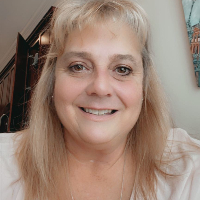
Stephen Weiss
LICSW, LCSW
Experienced LICSW offering steady, practical support
- Stress, Anxiety
- Addictions
- Relationship

Alejandro Holguin
LCSW
Practical, collaborative help for life changes
- Stress, Anxiety
- Relationship
- Anger


Quintell Price-Turner
LCSW
Compassionate, practical therapy for relationship patterns
- Family
- Trauma and abuse
- Parenting
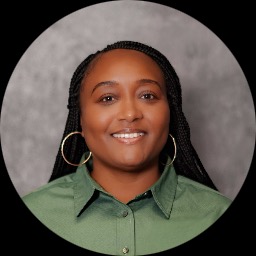
Darlene Kelly
LCSW
Compassionate systemic therapy for real-life change
- LGBT
- Trauma and abuse
- Parenting

Jason Radosevich
LCSW
Understanding and practical support for life challenges
- Stress, Anxiety
- Family
- Grief

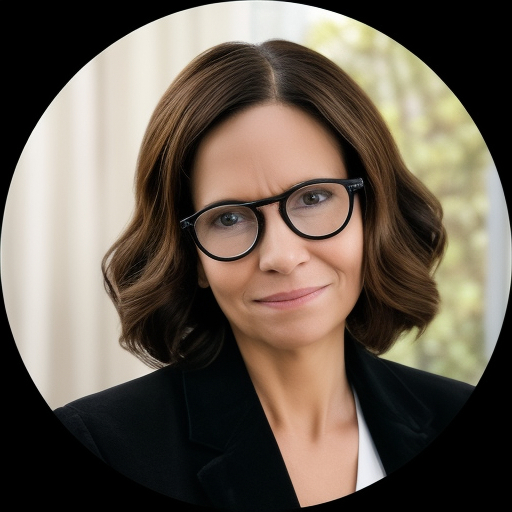

LaDreamer Harrison
LCSW
Collaborative therapist focusing on relationships and coping
- Relationship
- Family
- Trauma and abuse

Christopher "Chris" Noll
LCSW
Practical guidance for life transitions and emotions
- Grief
- Anger
- Self esteem

Dedra McIntosh
LCSW
Compassionate help for trauma and relationship strain
- Stress, Anxiety
- Relationship
- Trauma and abuse

Elisa Shevlin-Reynolds
LCSW
Compassionate therapist focused on practical change
- Stress, Anxiety
- Family
- Trauma and abuse

Daffney Tchassem
LCSW
Calm, practical care for life’s hard moments
- Stress, Anxiety
- Relationship
- Family

Dr. & Mrs. Joy Rodriguez
LCSW
Compassionate therapist for stress and relationships
- Stress, Anxiety
- Addictions
- Relationship

Trina Hill
LCSW
Supportive LCSW for stress and trauma recovery
- Stress, Anxiety
- Addictions
- Trauma and abuse

Eugene Yamamoto
LCSW
Practical therapy for stress and life changes
- Stress, Anxiety
- Self esteem
- Depression

Luz Lavado
LCSW
Compassionate systemic therapist focused on practical change
- Stress, Anxiety
- Relationship
- Grief

Catherine Harris
LCSW
Practical, goal-focused therapy for everyday challenges
- Stress, Anxiety
- Self esteem
- Career

James Hunter
LCSW
Practical, relationship-aware therapy with real-world focus
- Stress, Anxiety
- Self esteem
- Career
Asyia Hall
LCSW
Compassionate, practical therapy for everyday struggles
- Stress, Anxiety
- Trauma and abuse
- Grief

Dr. & Mrs. Yvette Sabater-Lenk
LCSW
Compassionate, practical support for lasting change
- Stress, Anxiety
- Relationship
- Trauma and abuse


Nicole Porter
LCSW, CSW
Compassionate, practical therapy for everyday struggles
- Stress, Anxiety
- Relationship
- Family

Loretta Samenga
LCSW
Compassionate, practical therapy for everyday struggles
- Stress, Anxiety
- Addictions
- Self esteem

Kelley Sullivan
LCSW
Therapist focused on relationships and resilience
- Stress, Anxiety
- Relationship
- Trauma and abuse

Lisa Butrymowicz
LCSW
Therapist who helps reduce stress and rebuild connections
- Stress, Anxiety
- Relationship
- Trauma and abuse
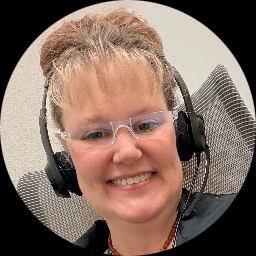
Dr. Luis Ramirez
LCSW
Practical, relationship-focused therapy for anxiety and trauma
- Stress, Anxiety
- LGBT
- Relationship

Melissa Ray
LCSW
Practical, compassionate therapy for anxious minds
- Stress, Anxiety
- Relationship
- Trauma and abuse

Bonnie McIrvin
LCSW
Compassionate, practical help for daily life challenges
- Stress, Anxiety
- Relationship
- Family
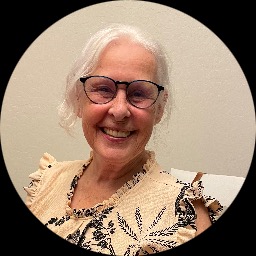
Samantha Blackwell
LCSW, LISW
Practical, relationship-aware therapy for life transitions
- Stress, Anxiety
- Family
- Trauma and abuse
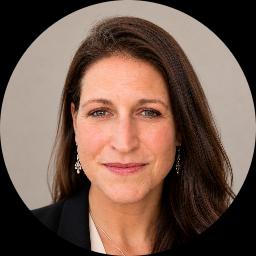

Miranda Wichelns
LCSW, CSW
Compassionate, relationship-focused therapy
- Stress, Anxiety
- Grief
- Self esteem

Tilaya Bradford-Hollins
LCSW
Practical support for stress and relationships
- Stress, Anxiety
- Relationship
- Trauma and abuse
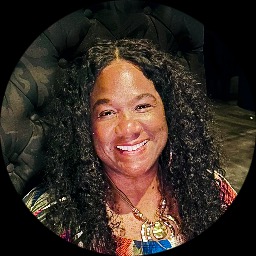

Cynthia (Cindy) Rozier
LCSW, CSW
Helping people navigate stress and relationships
- Stress, Anxiety
- Relationship
- Family

Jennifer Manning
LCSW
Therapist focused on systemic connections
- Stress, Anxiety
- Trauma and abuse
- Grief

Shammeer Dawson
LCSW
Relationship-focused social worker guiding healing and change
- Stress, Anxiety
- Trauma and abuse
- Grief
Scotty Enyart
LCSW
Grounded support for life transitions
- Stress, Anxiety
- Relationship
- Trauma and abuse

Kathryne Koahou
LCSW
Compassionate, practical support for complex struggles
- Stress, Anxiety
- Addictions
- Trauma and abuse

AnneMarie Winic
LCSW
Calm practical guidance for life and relationships
- Stress, Anxiety
- Relationship
- Parenting

Brittany Cosme
LCSW, LICSW
Compassionate social worker who prioritizes practical change
- Stress, Anxiety
- Family
- Grief

Ebony Brushbreaker
LCSW
Compassionate systemic care for complex life challenges
- LGBT
- Trauma and abuse
- Grief

Sarah Spurling
LCSW
Calm, practical support for overwhelmed adults
- Stress, Anxiety
- LGBT
- Trauma and abuse

Tatiana Stewart
LCSW
Systemic-minded LCSW focused on practical change
- Stress, Anxiety
- Trauma and abuse
- Grief
Katherine Rowe
LCSW
Compassionate social worker focusing on practical change
- Stress, Anxiety
- Family
- Trauma and abuse

Some links on this page are partner links. We will earn a commission if you sign up through one, at no cost to you. It does not change what you pay or the order of the listings.
What "Licensed Clinical Social Worker (LCSW)" means and how it is earned
Education and supervised experience
When you read LCSW next to a clinician's name, that designation signals a specific educational and licensure pathway. Most LCSWs hold a Master of Social Work degree that includes coursework in assessment, human behavior, clinical intervention and ethics. After finishing graduate school, candidates typically complete a period of supervised clinical practice. The number of supervised hours required varies by state, but many jurisdictions expect several thousand hours under an experienced supervisor before a clinician is eligible for the exam and full clinical licensure. Licensure processes also include passing a standardized clinical exam and meeting any additional state requirements.
Continuing education and professional expectations
Once licensed, LCSWs are generally expected to maintain their license through continuing education and adherence to a professional code of conduct. Continuing education helps you know that a clinician is keeping current with developments in clinical practice, ethical standards and state regulations. State boards oversee licensure status and any disciplinary history, and they set the specific requirements for renewal, reporting and professional behavior.
What a LCSW therapist is qualified to do compared with other license types
Scope of practice and typical services
As you consider different license types, it helps to understand what LCSWs commonly offer. LCSWs commonly provide psychotherapy, clinical assessment and care coordination that takes social and environmental factors into account. That orientation often means attention to family dynamics, community resources, housing, workplace stressors and systems that affect well-being. LCSWs can conduct individual, family or group therapy and may work in outpatient clinics, hospitals, schools and community programs. They are trained to address both psychological symptoms and the social determinants that influence them.
How LCSWs differ from other clinicians
Other license types you may encounter include licensed professional counselors and marriage and family therapists. Those clinicians may emphasize different training models and theoretical approaches. Psychiatrists are medical doctors who can prescribe medications, while LCSWs focus on psychotherapy and social intervention rather than prescribing. The differences are not about quality but about background, training emphasis and the ways clinicians frame assessment and treatment. When you choose a therapist, think about whether the person’s educational background and clinical focus match the kinds of support you want.
Common specialties and treatment areas among LCSW therapists
Clinical focus areas
Many LCSWs list work in areas such as trauma, grief, addiction, perinatal mental health, child and adolescent concerns, relationship and family issues, chronic illness adjustment and community mental health. If you are dealing with life transitions, caregiving stress, or the impact of social conditions on mental health, a clinician with social work training may be particularly attentive to both emotional and practical needs. LCSWs often bring an understanding of systems - such as families, schools and community services - into the clinical work.
Therapeutic approaches and how they are described
When reviewing profiles you may notice a variety of therapeutic approaches listed. Because a listing does not confirm specific credentialing in a modality, you will see phrasing such as therapists who list cognitive behavioral therapy among their approaches, or therapists who list EMDR among their approaches. That wording helps you understand the tools a clinician says they use while recognizing that listing is not the same as a formal certification. Many LCSWs combine relational, strengths-based and evidence-informed strategies to tailor care to a person's needs and circumstances.
How to verify a LCSW credential
Practical steps to confirm licensure
If you want to confirm that a clinician holds an active LCSW license, begin with the state licensing board where the clinician practices. Most boards provide an online license lookup that shows the license number, status, expiration date and whether any disciplinary actions have been recorded. You can request a license number from a clinician and then enter it on the board website to confirm details. If you have questions about an entry on a state board record, the board’s contact information is usually listed for follow-up.
What to expect and what matters
Licensure verification will not always show training in specific modalities, and continuing education records may be summarized rather than exhaustive. What license verifications do provide is objective information about a clinician’s legal standing to practice in a state and any formal actions taken against a license. That information can help you make an informed choice about whom to contact for services. If you want additional context, you can ask a clinician about their supervised experience, areas of focus and how they integrate different approaches in clinical work.
Benefits of choosing a LCSW therapist and tips for finding the right one
Potential benefits of LCSW training and perspective
Choosing an LCSW can offer advantages if you value attention to both emotional needs and life context. Because social work training emphasizes systems and environments, LCSWs often work with broader social factors such as family relationships, community resources, housing, employment and legal concerns alongside clinical symptoms. If you need someone who sees mental health within a larger life framework or who can help coordinate care across services, that orientation can be useful.
How to find a match that fits your needs
When you search for a clinician, focus on factors that matter to you rather than assumptions about license type alone. Think about the population you prefer to work with - for example adults, adolescents, couples or families - and whether the clinician lists experience in those areas. Read profiles for stated approaches and phrasing such as therapists who list narrative therapy among their approaches, so you know how practitioners describe their work. Consider language, cultural background, and areas of focus that align with your priorities. If possible, ask questions about how a clinician frames goals, measures progress and collaborates with other providers or community resources. That conversation can give you a sense of whether the clinician’s style and perspective will match your expectations.
Finding the right LCSW involves both objective checks and a subjective sense of fit. Use licensure verification to confirm a clinician’s standing, then rely on descriptions of focus areas and approach to identify potential matches. Trust your impressions from brief outreach or initial conversations to determine who feels like the right partner for the work you want to do.